

Why Buying Quality Hospital Equipment Matters
- Uncategorized
- Posted on
-
 by
Reginald Osita
by
Reginald Osita - 0 comments

Why You Should Buy Quality Hospital Equipment
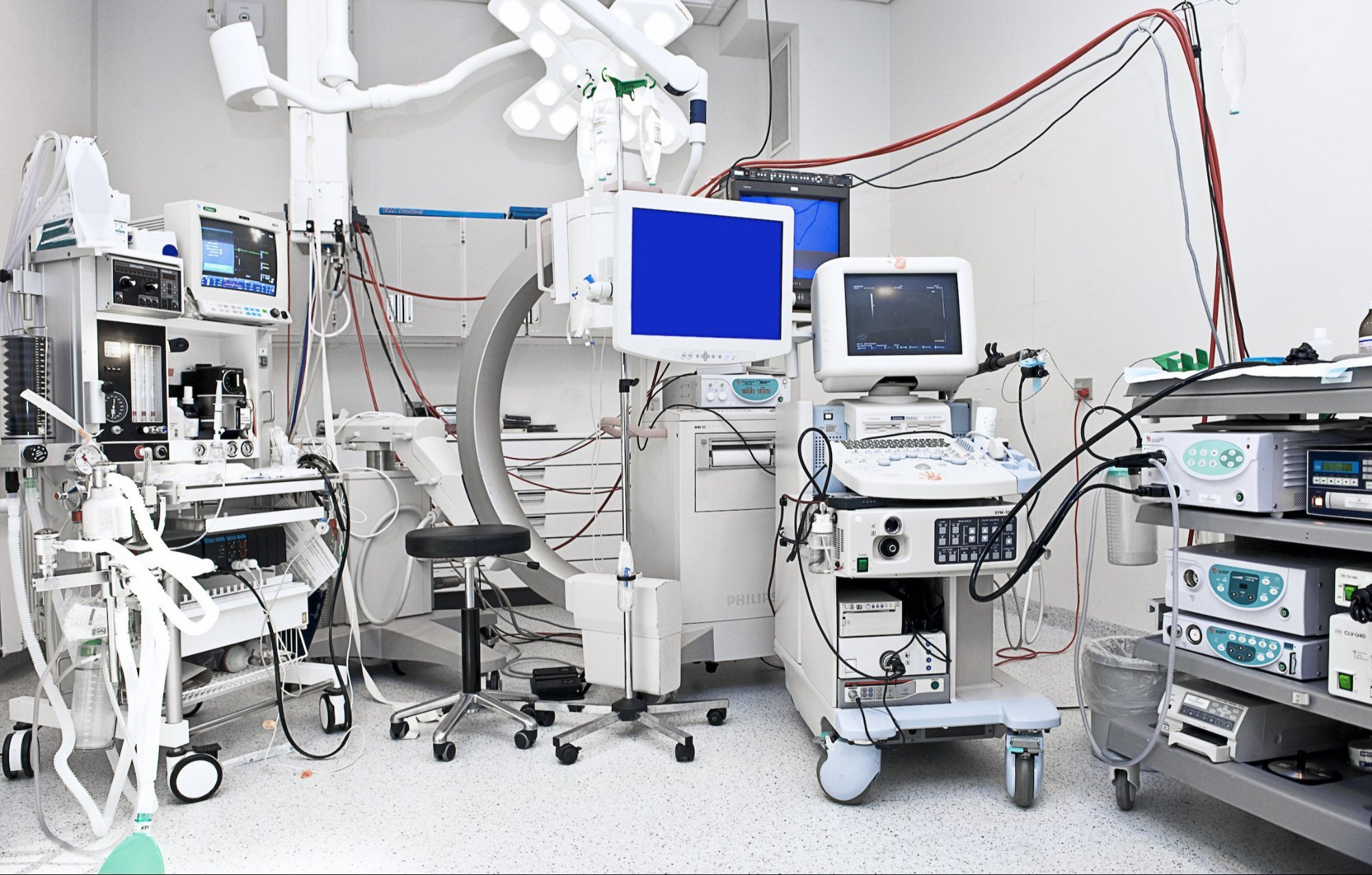
Investing in high-quality hospital equipment is critical to delivering safe, effective, and reliable healthcare. Medical devices directly affect diagnosis, treatment accuracy, patient outcomes, staff efficiency, and regulatory compliance. Choosing quality equipment is therefore not a cost—it is a risk-management and performance decision.
1. Patient Safety and Clinical Accuracy
Quality hospital equipment is manufactured to strict medical standards and delivers accurate, consistent results. This reduces diagnostic errors, treatment complications, and adverse events, ensuring better patient outcomes and trust in care delivery.
2. Reliability and Continuity of Care
High-grade equipment is designed for continuous use in demanding clinical environments. It minimizes unexpected breakdowns, ensuring uninterrupted patient care, especially in critical units such as ICUs, emergency rooms, and operating theatres.
3. Compliance with Regulatory Standards
Certified medical equipment complies with international and local regulations (e.g., ISO, CE, FDA, NAFDAC). This protects hospitals from legal penalties, sanctions, or shutdowns due to non-compliance.
4. Long-Term Cost Efficiency
Although quality equipment may have a higher initial cost, it offers:
-
Longer service life
-
Lower maintenance and repair costs
-
Fewer replacements
-
Reduced downtime
This results in lower total cost of ownership over time.
5. Staff Efficiency and Confidence
Reliable equipment allows healthcare professionals to work efficiently and confidently. It reduces workflow disruptions, repeat procedures, and staff frustration, improving clinical productivity and morale.
6. Hospital Reputation and Patient Trust
Modern, well-functioning equipment enhances a hospital’s reputation for quality care. Patients are more likely to trust and recommend facilities that demonstrate professionalism and technological competence.
Implications of Not Buying Quality Hospital Equipment
Choosing substandard or poorly certified equipment can have serious consequences:
1. Increased Risk to Patient Lives
Low-quality equipment can produce inaccurate readings, malfunction during procedures, or fail in emergencies, leading to misdiagnosis, treatment errors, or loss of life.
2. Frequent Breakdowns and Downtime
Inferior equipment fails more often, causing service interruptions, delayed treatments, and cancelled procedures, which negatively affect patient care and hospital operations.
3. Higher Hidden Costs
Cheap equipment often results in:
-
Repeated repairs
-
High spare-part costs
-
Frequent replacements
-
Increased technician call-outs
These hidden expenses can quickly exceed the cost of buying quality equipment initially.
4. Legal and Regulatory Consequences
Using non-certified or unsafe equipment exposes hospitals to:
-
Lawsuits and malpractice claims
-
Regulatory fines and sanctions
-
Loss of accreditation or licenses
5. Damage to Institutional Reputation
Equipment failures and poor patient outcomes erode public trust, reduce patient inflow, and harm relationships with insurers, donors, and partners.
6. Staff Dissatisfaction and Errors
Unreliable devices increase stress and workload for healthcare workers, raising the risk of human error and contributing to staff burnout and turnover.
Conclusion
Quality hospital equipment is essential for safe patient care, operational efficiency, regulatory compliance, and long-term financial sustainability. Cutting costs by purchasing inferior medical devices may seem economical initially, but it exposes healthcare facilities to severe clinical, legal, and reputational risks.
Click Here to purchase some quality Hospital Equipment
Shop Some Gym and Fitness Equipment

Click Here to make your Choice and complete your order
Hospital Equipment Procurement Policy: A Smart Buying Guide for Healthcare Facilities
Choosing the right hospital equipment is not just a purchasing decision—it is a patient safety, compliance, and business sustainability decision. A clear procurement policy helps hospitals avoid costly mistakes, reduce risk, and ensure long-term value from medical equipment investments.
This guide outlines a practical hospital procurement policy adapted for healthcare buyers, clinic owners, and medical administrators sourcing equipment online.
Why a Hospital Procurement Policy Matters
Hospitals and clinics rely on medical equipment every day to diagnose, treat, and save lives. Without a structured procurement approach, facilities risk buying substandard equipment that can lead to equipment failure, regulatory issues, or poor patient outcomes.
A good procurement policy ensures:
-
Patient safety
-
Equipment reliability
-
Regulatory compliance
-
Better return on investment
-
Long-term operational efficiency
Core Principles of Smart Hospital Equipment Procurement
1. Patient Safety Comes First
Medical equipment must be safe, accurate, and clinically reliable. Hospitals should only purchase equipment that:
-
Meets international safety standards
-
Has been clinically tested
-
Is suitable for continuous medical use
Cutting corners on quality can directly endanger patient lives.
2. Buy Quality, Not Just the Lowest Price
The cheapest equipment often costs more in the long run due to:
-
Frequent breakdowns
-
High repair costs
-
Short lifespan
-
Poor performance
A smart procurement policy focuses on total cost of ownership, not just the purchase price.
3. Regulatory Compliance Is Non-Negotiable
Hospitals should only procure equipment that is:
-
Properly certified (ISO, CE, FDA, NAFDAC, or equivalent)
-
Approved for medical use
-
Supplied by authorized vendors
Non-compliant equipment can lead to fines, legal action, or closure of facilities.
4. Equipment Must Match Clinical Needs
Before buying, hospitals should clearly define:
-
Intended clinical use
-
Patient volume
-
Environment of use (ICU, ward, theatre, home care)
Buying equipment without proper needs assessment often leads to underutilization or misuse.
Key Equipment Selection Criteria for Hospitals
When purchasing hospital equipment online or offline, consider the following:
-
Clinical effectiveness and accuracy
-
Safety features and alarms
-
Durability and build quality
-
Availability of spare parts
-
Warranty and after-sales support
-
Ease of use and staff training needs
-
Compatibility with existing equipment
These factors ensure equipment performs reliably over time.
Vendor and Supplier Evaluation
Hospitals should only buy from suppliers that:
-
Are legally registered and reputable
-
Offer genuine, certified products
-
Provide warranty and technical support
-
Have a proven supply track record
For e-commerce buyers, this means choosing stores that clearly display:
-
Product certifications
-
Specifications
-
Warranty terms
-
Customer support details
Quality Assurance Before Use
Once equipment is delivered:
-
Inspect for physical damage
-
Confirm it matches specifications
-
Test functionality before clinical use
-
Train staff properly
Poor acceptance practices are a common cause of early equipment failure.
Maintenance and Long-Term Value
A strong procurement policy includes:
-
Preventive maintenance planning
-
Availability of service support
-
Clear replacement timelines
High-quality equipment lasts longer, performs better, and reduces downtime—saving money and protecting patients.
The Risk of Ignoring Proper Procurement
Hospitals that ignore structured procurement policies face:
-
Increased patient risk
-
Frequent equipment failure
-
Regulatory penalties
-
Legal liability
-
Loss of reputation and patient trust
In healthcare, equipment failure is not just an inconvenience—it is a risk to life.
Final Thoughts: Buy Equipment You Can Trust
A well-defined hospital procurement policy ensures that every equipment purchase supports:
-
Safe patient care
-
Efficient clinical operations
-
Regulatory compliance
-
Financial sustainability
When hospitals buy quality equipment from trusted suppliers, everyone benefits—patients, healthcare workers, and the institution itself.
Why Buy From a Quality-Focused Medical Equipment Store?
At Regino Medicals Limited, we supply certified, durable, hospital-grade medical equipment designed to meet real clinical needs. Our products are selected based on quality, safety, and long-term value—not just price.
