
- Your cart is empty
- Continue Shopping
Essential Equipment for a Diagnostic Center – Nigeria
- Hospital equipment
- Posted on
-
 by
Reginald Osita
by
Reginald Osita - 0 comments

Essential Equipment for a Diagnostic Center: Advanced Medical Technology for Accurate Diagnosis, Testing, and Patient Care
Modern healthcare depends heavily on accurate diagnosis. Before any treatment plan can begin, doctors and healthcare professionals must first understand the patient’s condition clearly. This is where diagnostic centers play an essential role in the healthcare system.
Across Nigeria and many parts of Africa, diagnostic centers are becoming increasingly important. Hospitals, clinics, and independent laboratories rely on diagnostic facilities to perform medical tests that detect diseases, monitor health conditions, and guide doctors in making life-saving medical decisions.
Behind every successful diagnostic center is a collection of advanced medical equipment designed to perform precise tests, detailed imaging, and complex laboratory analysis. Without the right equipment, diagnostic centers cannot provide accurate results, and inaccurate results can delay treatment or lead to incorrect medical decisions.
This is why choosing the right diagnostic equipment supplier is just as important as selecting the equipment itself.
In this guide, we will explore the essential equipment required to establish a modern diagnostic center, including advanced technologies used for diagnosis, laboratory testing, medical imaging, patient monitoring, and treatment support.
We will also explain why Regino Medicals Limited is a trusted partner for healthcare facilities seeking reliable medical equipment, professional installation, and long-term maintenance support.
The Importance of Diagnostic Centers in Modern Healthcare
Diagnostic centers serve as the backbone of medical decision-making. They help doctors detect diseases early, monitor ongoing health conditions, and determine the most effective treatment plans.
Accurate diagnosis can make the difference between early intervention and delayed treatment. For example, conditions such as hypertension, diabetes, cancer, heart disease, and infectious diseases require reliable testing to confirm their presence.
Diagnostic centers provide services such as:
-
Laboratory testing
-
Medical imaging
-
Cardiac monitoring
-
Disease screening
-
Preventive health checks
These services help healthcare providers identify health issues quickly and accurately.
With the rise of chronic diseases and the growing demand for preventive healthcare in Nigeria, diagnostic centers are becoming more important than ever before.
Key Categories of Equipment Needed in a Diagnostic Center
To function efficiently, a diagnostic center requires equipment across several key categories:
-
Laboratory diagnostic equipment
-
Medical imaging equipment
-
Patient monitoring equipment
-
Sample analysis technology
-
Clinical examination tools
-
Treatment support equipment
Each category plays a vital role in delivering comprehensive diagnostic services.
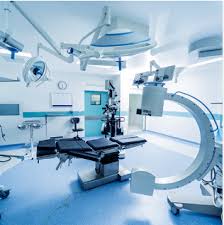
Laboratory Diagnostic Equipment
Laboratory equipment forms the foundation of any diagnostic center. These machines perform blood tests, urine analysis, microbiological testing, and biochemical investigations.
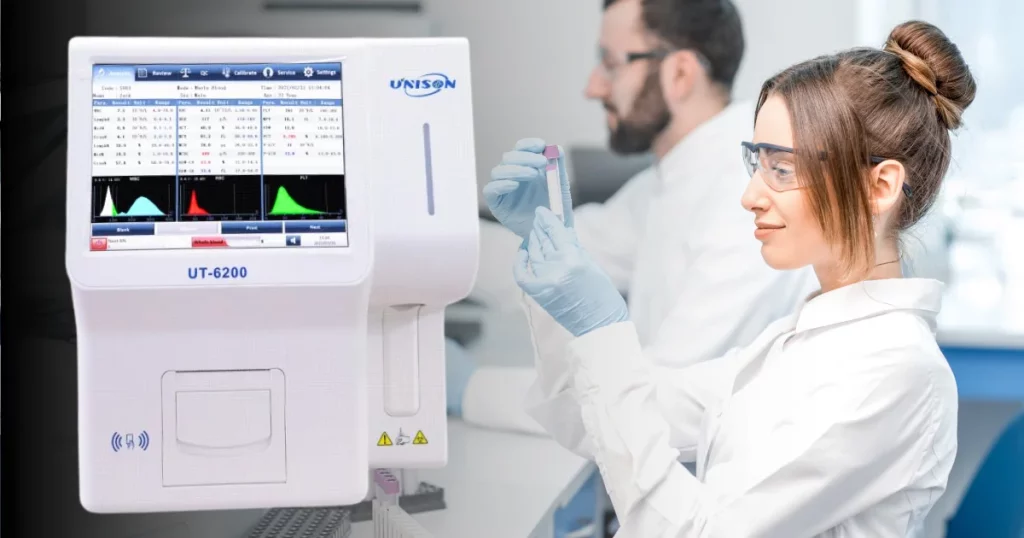
Automated Hematology Analyzer
A hematology analyzer is used to perform complete blood count (CBC) tests. These tests evaluate different components of blood, including red blood cells, white blood cells, hemoglobin levels, and platelets.
Doctors rely on hematology results to diagnose conditions such as anemia, infections, leukemia, and immune disorders.
Modern automated hematology analyzers provide fast and highly accurate results, making them essential equipment for diagnostic laboratories.
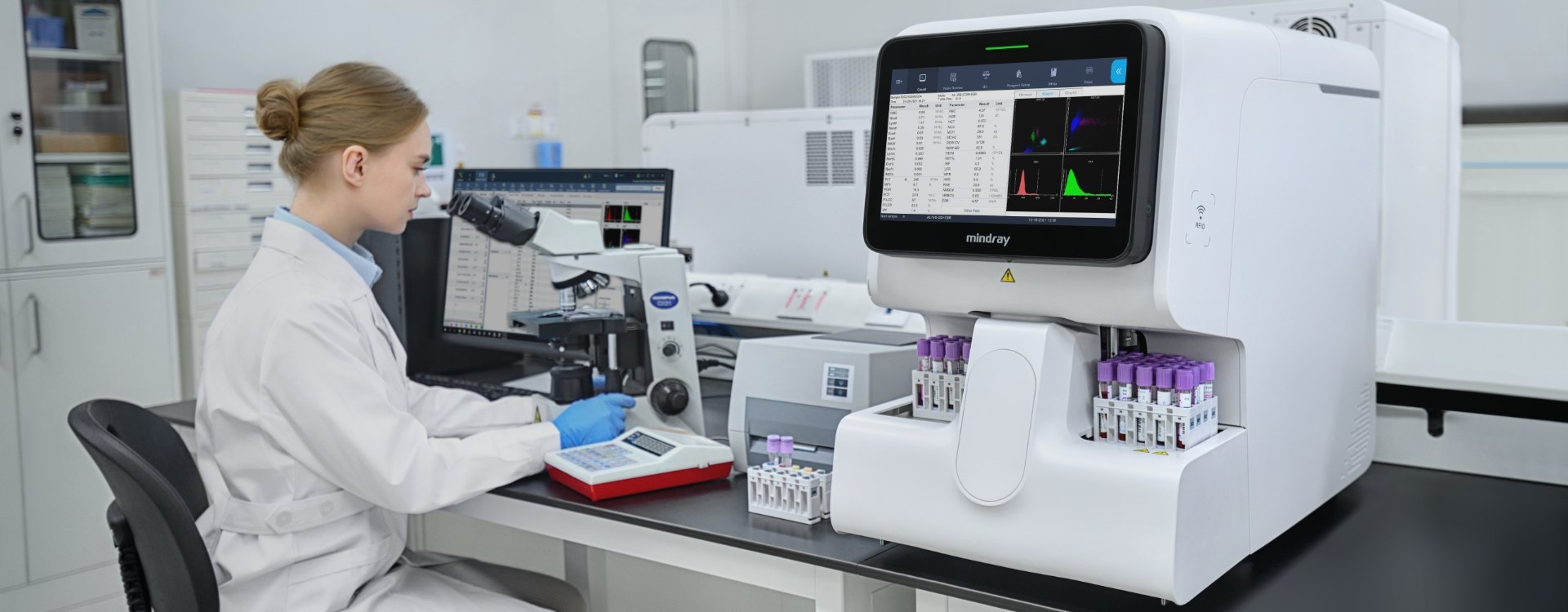
Clinical Chemistry Analyzer
Clinical chemistry analyzers are used to test blood samples for biochemical markers that indicate the functioning of organs such as the liver, kidneys, and heart.
These analyzers can measure levels of:
-
Glucose
-
Cholesterol
-
Creatinine
-
Electrolytes
-
Liver enzymes
Automated chemistry analyzers allow laboratories to process large numbers of samples quickly and efficiently.
Immunoassay Analyzer
Immunoassay analyzers are used to detect specific proteins, hormones, and infectious disease markers in blood samples.
These systems are widely used to diagnose conditions such as:
-
HIV
-
Hepatitis
-
Thyroid disorders
-
Hormonal imbalances
High-precision immunoassay analyzers are essential for modern diagnostic centers offering specialized testing.
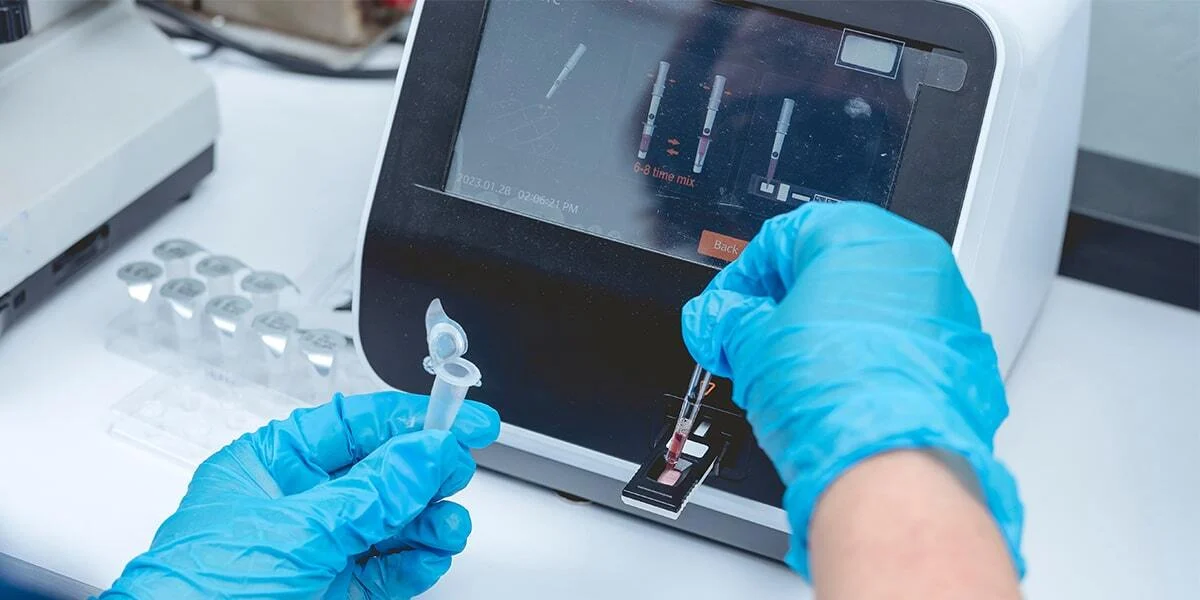
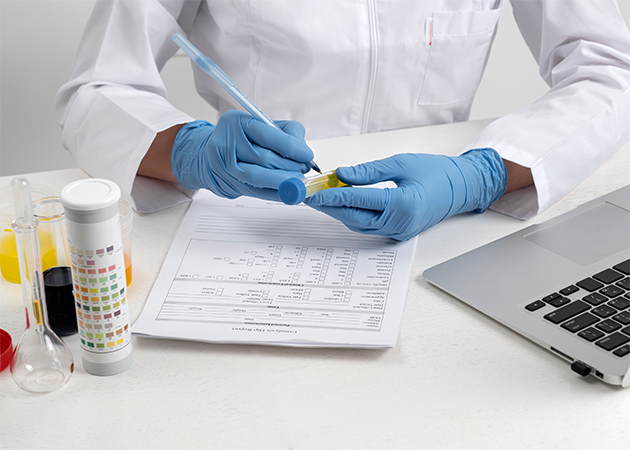
Urine Analyzer
Urinalysis is a common diagnostic test that helps detect kidney diseases, urinary tract infections, diabetes, and metabolic disorders.
Automated urine analyzers improve efficiency and accuracy by reducing manual errors in laboratory testing.
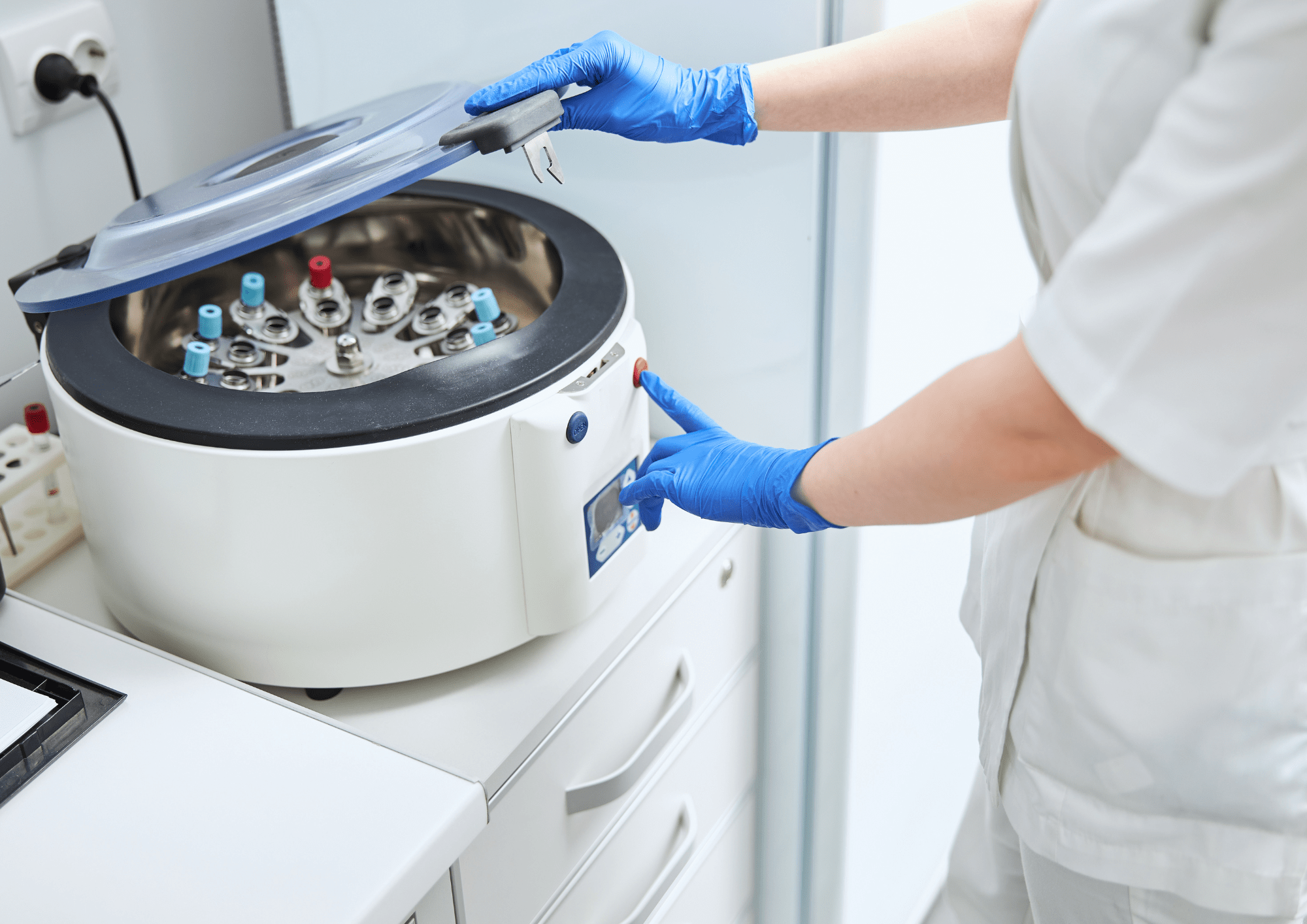
Centrifuge
Centrifuges are used to separate blood components by spinning samples at high speeds. This process isolates plasma, serum, and other components needed for laboratory testing.
Centrifuges are fundamental equipment in every diagnostic laboratory.
Medical Imaging Equipment
Medical imaging technology allows doctors to visualize internal organs and structures without invasive procedures.
These technologies are essential for diagnosing many serious health conditions.
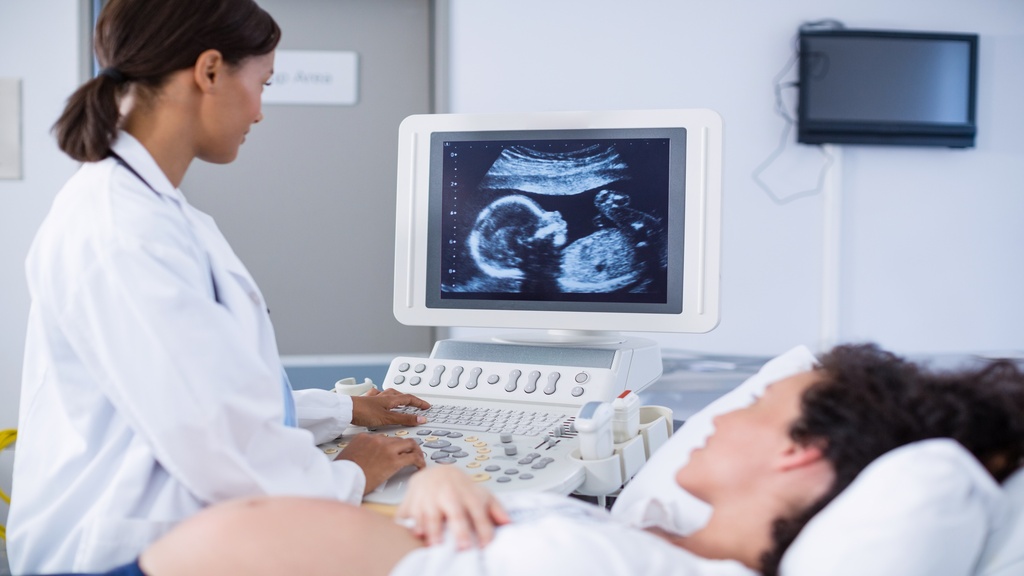
Ultrasound Machines
Ultrasound machines use sound waves to create real-time images of internal organs and tissues.
Ultrasound is widely used for:
-
Pregnancy monitoring
-
Abdominal scans
-
Cardiac imaging
-
Organ evaluation
Modern ultrasound systems provide high-resolution imaging and advanced diagnostic capabilities.
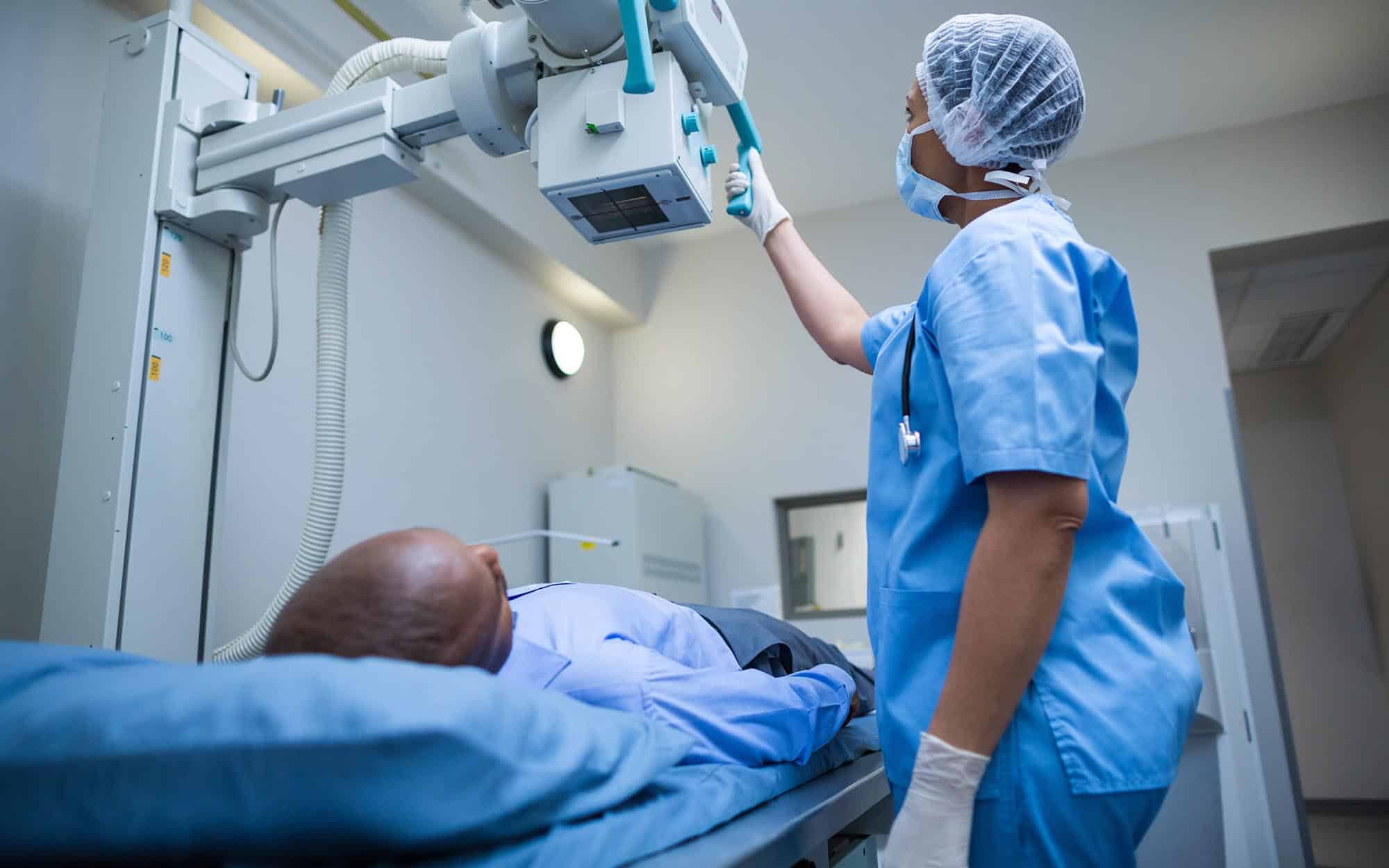
X-Ray Machines
X-ray machines are used to examine bones, lungs, and other internal structures.
They are commonly used to detect:
-
Fractures
-
Lung infections
-
Tumors
-
Chest abnormalities
Digital X-ray technology improves image quality and reduces radiation exposure.
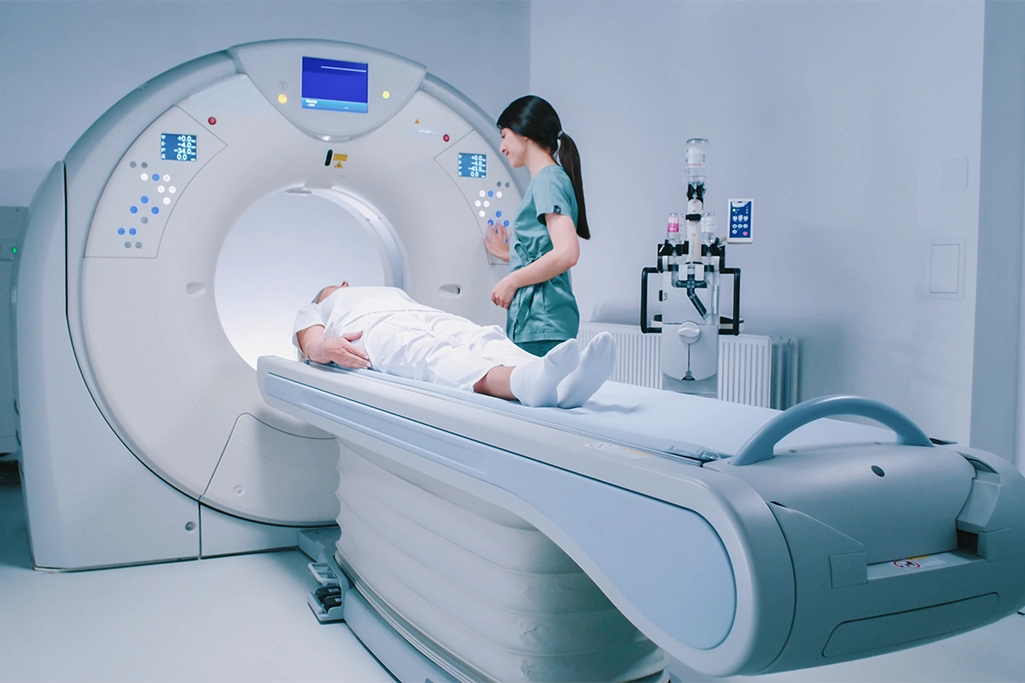
CT Scan Machines
Computed tomography (CT) scanners provide detailed cross-sectional images of the body.
CT scans are commonly used for diagnosing:
-
Brain injuries
-
Internal bleeding
-
Tumors
-
Lung diseases
Advanced CT imaging systems are essential for high-capacity diagnostic centers.
Cardiology Diagnostic Equipment
Heart disease is a major health concern worldwide. Diagnostic centers must be equipped with technology to monitor and evaluate heart function.
ECG Machines
Electrocardiogram (ECG) machines record the electrical activity of the heart.
ECG tests help doctors detect:
-
Arrhythmias
-
Heart attacks
-
Heart enlargement
ECG machines are fundamental equipment for cardiac diagnosis.
Stress Test Systems
Cardiac stress test equipment monitors heart activity while patients perform controlled exercise.
This test helps detect heart conditions that may not appear during rest.
Holter Monitors
Holter monitors are portable devices that continuously record heart activity for 24 hours or longer.
They are used to detect irregular heart rhythms that occur intermittently.
Microbiology and Pathology Equipment
Diagnostic laboratories also perform tests to identify microorganisms responsible for infections.
Essential microbiology equipment includes:
-
Incubators
-
Autoclaves
-
Laminar flow cabinets
-
Microscopes
Microscopes remain one of the most important diagnostic tools used in laboratories for analyzing cells, bacteria, and tissue samples.
Advanced Diagnostic Technologies
Modern diagnostic centers increasingly rely on advanced technologies such as molecular testing and genetic analysis.
These technologies allow healthcare professionals to detect diseases at the molecular level, enabling earlier diagnosis and more targeted treatment.
Examples include:
-
PCR testing systems
-
Molecular diagnostic analyzers
-
Genetic testing platforms
These systems represent the future of diagnostic medicine.
Patient Monitoring Equipment
Patient monitoring devices help track vital signs and detect abnormalities during medical evaluation.
Essential monitoring equipment includes:
-
Patient monitors
-
Pulse oximeters
-
Blood pressure monitors
-
Temperature monitoring systems
These devices provide real-time data that helps doctors assess patient health quickly.
Why Quality Diagnostic Equipment Matters
Accurate diagnostic equipment ensures:
-
Reliable test results
-
Early disease detection
-
Effective treatment planning
-
Improved patient outcomes
Low-quality equipment can lead to inaccurate results, which may delay diagnosis and compromise patient safety.
For this reason, healthcare providers must invest in equipment from trusted suppliers who understand the importance of reliability and performance.
Why Regino Medicals Limited Is the Trusted Partner for Diagnostic Centers
Regino Medicals Limited has built a reputation as a trusted provider of high-quality medical and diagnostic equipment across Nigeria and Africa.
The company is committed to supporting healthcare providers with reliable technology and professional service.
Comprehensive Medical Equipment Solutions
Regino Medicals Limited supplies a wide range of medical equipment, including:
-
Diagnostic laboratory equipment
-
Medical imaging systems
-
Patient monitoring devices
-
Hospital and clinical equipment
This comprehensive product range allows diagnostic centers to obtain all essential equipment from a single reliable source.
Professional Installation Services
Installing advanced medical equipment requires technical expertise. Proper installation ensures that machines function correctly and deliver accurate results.
Regino Medicals Limited provides professional installation services performed by trained technicians who understand the operational requirements of modern diagnostic equipment.
Reliable After-Sales Support
One of the biggest challenges faced by healthcare facilities is equipment downtime. When diagnostic machines stop working, patient care can be delayed.
Regino Medicals Limited provides reliable after-sales support to ensure equipment continues operating efficiently.
This support includes:
-
Technical assistance
-
Troubleshooting
-
Equipment servicing
Biomedical Equipment Maintenance
Regular maintenance is essential for maintaining the accuracy and longevity of diagnostic equipment.
Regino Medicals Limited offers professional biomedical maintenance services that keep equipment operating at optimal performance.
Maintenance services include:
-
Routine equipment inspections
-
Calibration and testing
-
Preventive servicing
-
Repair and replacement of faulty components
These services help healthcare facilities avoid costly equipment failures.
Supporting the Growth of Healthcare in Nigeria
As healthcare systems continue to expand across Nigeria, diagnostic centers play an increasingly important role in disease detection and prevention.
Reliable medical equipment and technical support are essential for ensuring that these centers provide accurate and timely diagnostic services.
Regino Medicals Limited is committed to supporting healthcare providers with high-quality medical technology and dependable service.
Conclusion
Establishing a successful diagnostic center requires careful planning and investment in the right medical equipment.
From laboratory analyzers and imaging systems to patient monitoring devices and microbiology tools, every piece of equipment plays a vital role in delivering accurate diagnostic results.
However, the effectiveness of a diagnostic center does not depend solely on the equipment itself. It also depends on the reliability of the supplier providing that equipment.
Healthcare providers need a partner who understands the importance of precision, safety, and long-term equipment performance.
Regino Medicals Limited provides that partnership.
By supplying advanced medical technology and offering professional installation, after-sales support, and biomedical maintenance services, the company ensures that diagnostic centers operate efficiently and deliver reliable healthcare services.
For healthcare providers looking to establish or upgrade diagnostic facilities, Regino Medicals Limited remains a trusted solution for quality medical equipment and professional support.
