
- Your cart is empty
- Continue Shopping
How to Equip a Modern Clinic in Nigeria |Step-by-Step Guide
- Hospital equipment
- Posted on
-
 by
Reginald Osita
by
Reginald Osita - 0 comments

Top 20 Essential Medical Equipment and Advanced Technologies
Introduction
Healthcare delivery in Nigeria is rapidly evolving due to population growth, urbanization, and increasing demand for quality medical services. Establishing a modern clinic equipped with essential medical equipment and advanced diagnostic technologies is crucial for improving patient outcomes and strengthening healthcare systems.
Equipping a clinic is not just about buying equipment; it involves strategic planning, regulatory compliance, infrastructure development, staff training, and technology integration.
A well-equipped clinic enhances:
-
Accurate diagnosis
-
Effective treatment
-
Patient safety
-
Operational efficiency
-
Reputation and trust
This guide explains how to equip a modern clinic in Nigeria, highlighting the Top 20 essential medical equipment, modern digital technologies, and high-ranking SEO keywords useful for healthcare businesses and researchers.
Step-by-Step Guide to Equipping a Clinic in Nigeria
1. Determine the Type of Clinic
Before purchasing equipment, determine the scope of services your clinic will provide.
Examples include:
-
Primary healthcare clinic
-
Specialist clinic
-
Diagnostic clinic
-
Maternal and child health clinic
-
Outpatient clinic
-
Private general practice
The type of clinic determines the equipment, infrastructure, and staff required.
2. Understand Regulatory Requirements
Healthcare facilities in Nigeria must comply with regulations from organizations such as:
-
Federal Ministry of Health
-
Medical and Dental Council of Nigeria
-
National Agency for Food and Drug Administration and Control ( NAFDAC )
-
Standards Organization of Nigeria ( SON )
Requirements usually include:
-
Clinic registration and licensing
-
Qualified medical staff
-
Medical waste management systems
-
Infection control standards
-
Approved medical equipment
Compliance ensures legal operation and patient safety.
Top 20 Essential Medical Equipment for Clinics in Nigeria
These devices are considered core equipment for any modern outpatient clinic.
1. Digital Blood Pressure Monitor
Used to measure blood pressure and detect hypertension.
Essential for:
-
Routine patient evaluation
-
Cardiovascular screening
-
Emergency monitoring
Hypertension remains a major health issue in Nigeria.
2. Stethoscope
A basic diagnostic tool used to listen to:
-
Heart sounds
-
Lung sounds
-
Blood flow
-
Bowel activity
Every healthcare provider requires one.
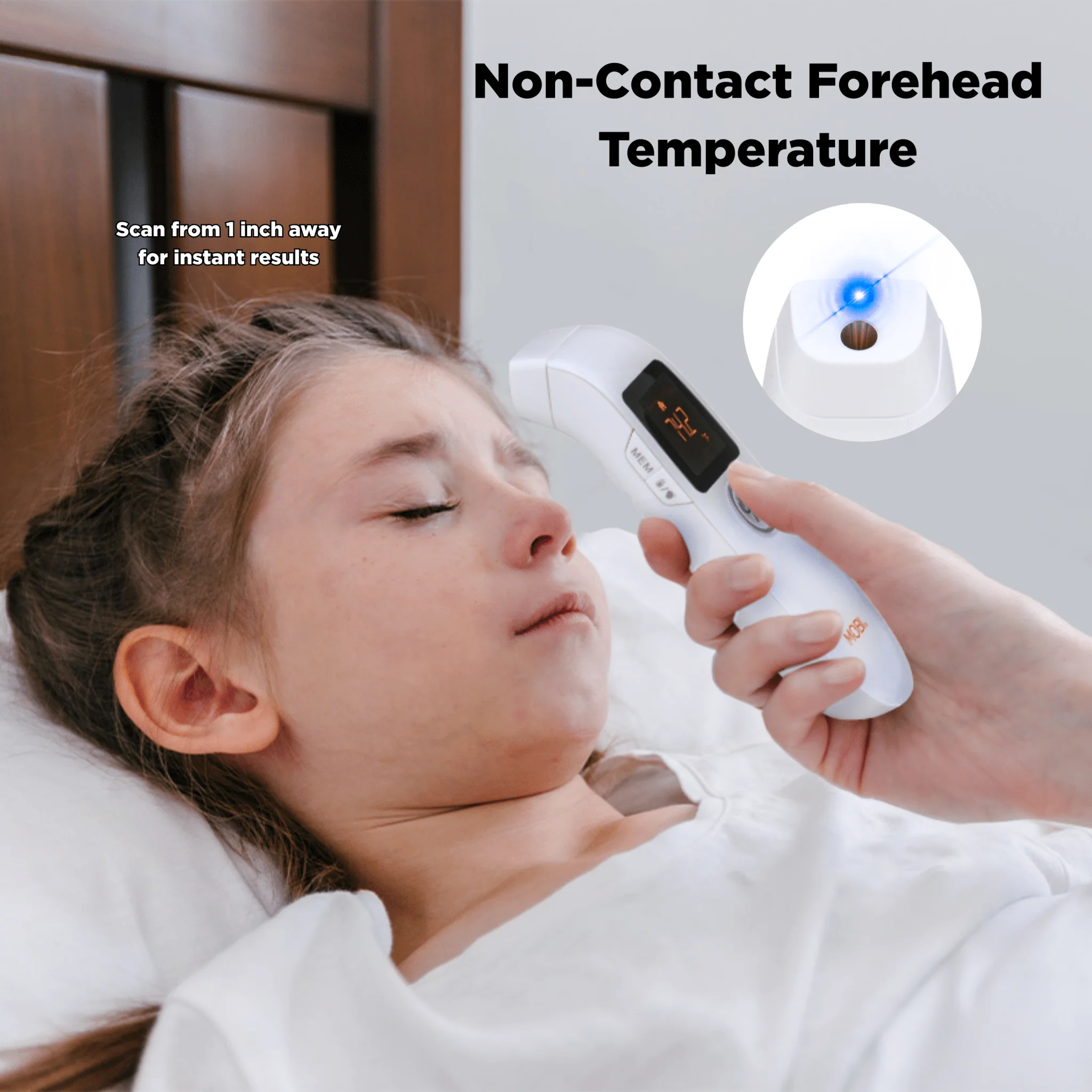
3. Thermometer (Digital/Infrared)
Measures body temperature quickly and accurately.
Important for detecting:
-
Fever
-
Infection
-
Systemic illness
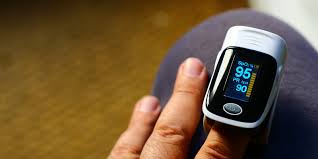
4. Pulse Oximeter
Measures:
-
Oxygen saturation (SpO₂)
-
Pulse rate
Critical for respiratory conditions such as:
-
Asthma
-
Pneumonia
-
COVID-19 complications
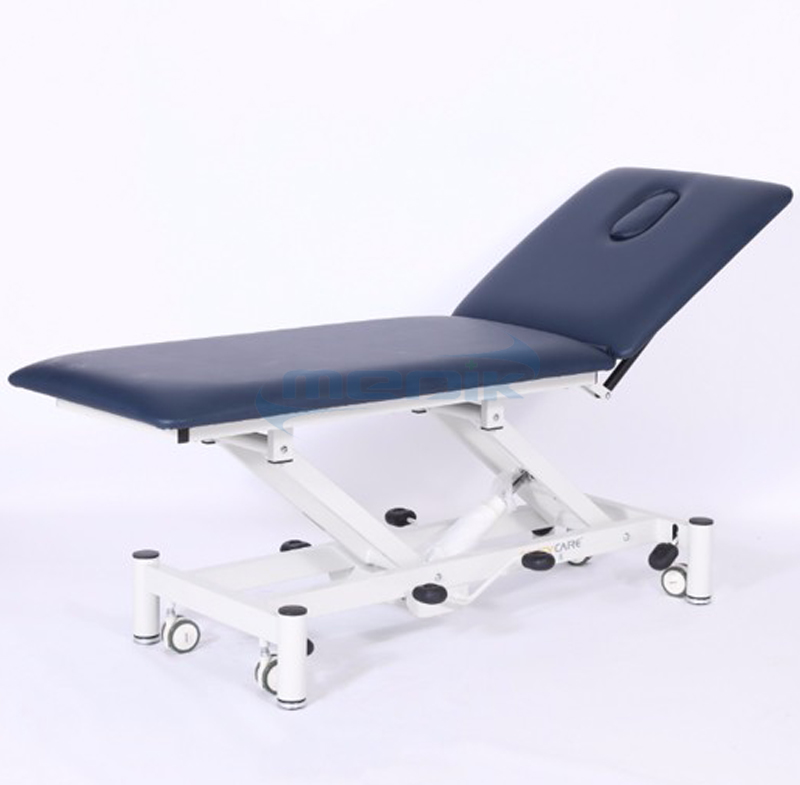
5. Patient Examination Bed
Used for:
-
Physical examination
-
Minor procedures
-
Patient observation
A hydraulic adjustable bed is recommended for modern clinics.
6. Weighing Scale with Height Measurement
Used to measure:
-
Body weight
-
Height
-
Body Mass Index (BMI)
Important for:
-
Nutritional assessment
-
Pediatric monitoring
-
Obesity screening
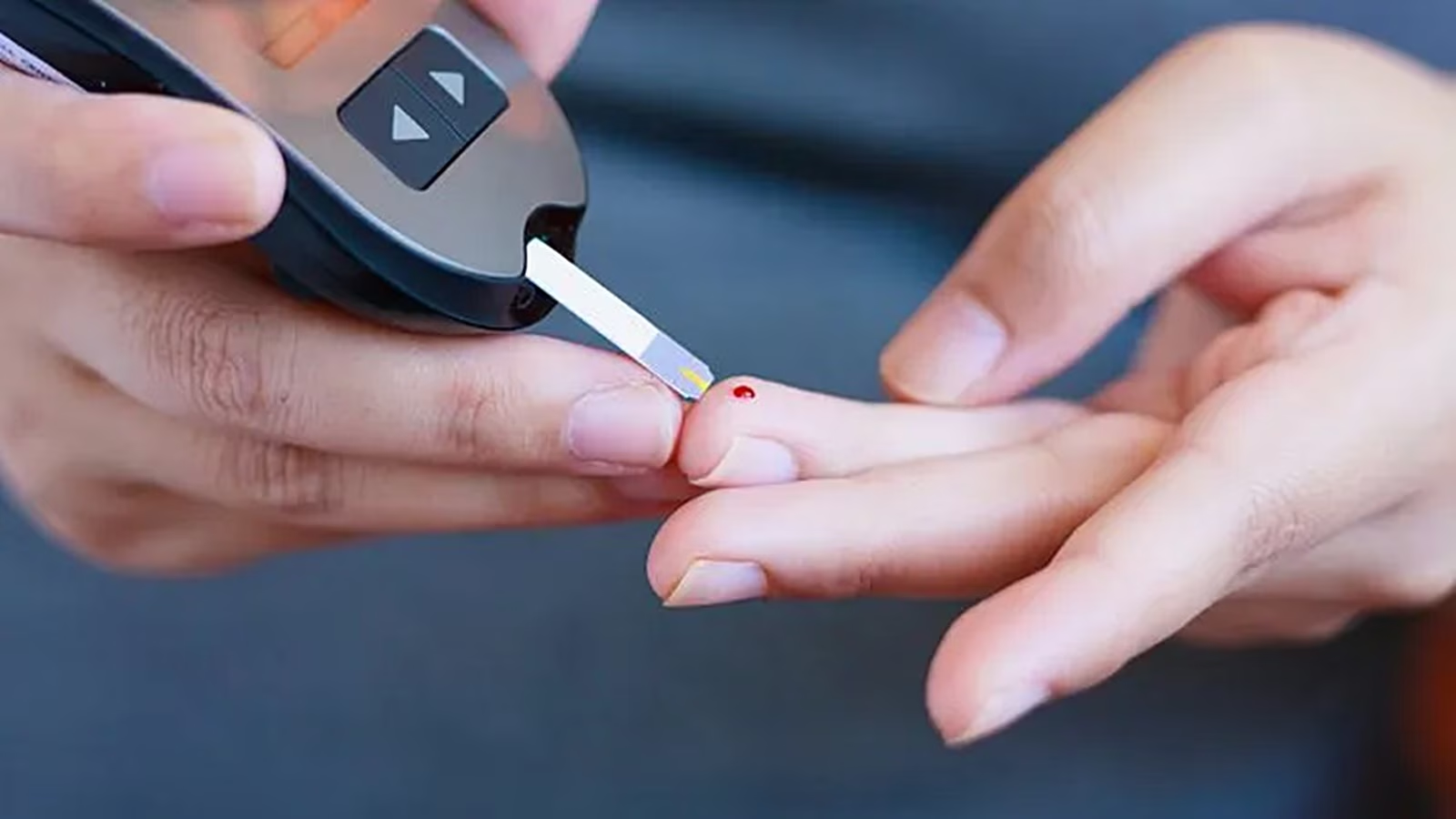
7. Glucometer (Blood Glucose Meter)
Used for diagnosing and monitoring diabetes mellitus, which is rising rapidly in Nigeria.
8. Oxygen Concentrator or Oxygen Cylinder
Provides oxygen therapy for patients experiencing:
-
Respiratory distress
-
Asthma attacks
-
Heart failure
9. Nebulizer
Converts liquid medication into inhalable mist.
Used for:
-
Asthma
-
Chronic obstructive pulmonary disease
-
Respiratory infections
10. ECG Machine
Electrocardiogram machines help detect:
-
Heart attack
-
Arrhythmia
-
Cardiac abnormalities
One common example used in clinics is the Schiller AT‑2 ECG Machine.
11. Ultrasound Scanner
Used for non-invasive imaging of:
-
Pregnancy monitoring
-
Abdominal conditions
-
Organ evaluation
Portable ultrasound systems are becoming popular in clinics.
12. Autoclave Sterilizer
Sterilizes surgical tools using high-pressure steam.
Essential for infection control.
13. Laboratory Microscope
Used for laboratory diagnostics such as:
-
Malaria parasite detection
-
Urinalysis
-
Blood smear analysis
A common clinical microscope is the Olympus CX23 Microscope.
14. Centrifuge Machine
Separates blood components for laboratory testing.
Used in:
-
Hematology
-
Biochemistry tests
15. Refrigerator for Vaccines and Medicines
Medical refrigerators maintain cold chain storage for vaccines and temperature-sensitive drugs.
16. Defibrillator
Used during cardiac emergencies to restore normal heart rhythm.
17. Surgical Instrument Set
Includes instruments such as:
-
Forceps
-
Scissors
-
Needle holders
-
Scalpel
Necessary for minor surgical procedures.
18. Suction Machine
Removes fluids such as:
-
Blood
-
Mucus
-
Vomit
Used in emergency and surgical care.
19. Patient Monitor
Tracks vital signs including:
-
Blood pressure
-
Heart rate
-
Oxygen saturation
-
Temperature
20. Hospital Furniture and Medical Trolleys
Includes:
-
Dressing trolleys
-
Instrument trolleys
-
Medical cabinets
-
Patient chairs
Proper furniture improves workflow efficiency.
Advanced Technologies for Modern Clinics
Modern clinics increasingly adopt digital healthcare technologies to improve service quality.
1. Electronic Medical Records (EMR)
Digital systems for managing patient records.
Popular systems include:
-
OpenMRS
-
DHIS2
Benefits:
-
Quick patient data retrieval
-
Reduced paperwork
-
Better clinical decisions
2. Telemedicine Systems
Allows doctors to consult patients remotely using digital platforms.
The World Health Organization strongly recommends telemedicine to improve healthcare access in rural areas.
3. AI-Assisted Diagnostics
Artificial intelligence helps detect diseases earlier through:
-
Radiology analysis
-
ECG interpretation
-
Laboratory automation
4. Point-of-Care Testing Devices
Portable diagnostic devices allow testing directly at the patient bedside.
Examples include:
-
Portable blood analyzers
-
Rapid malaria test kits
-
Rapid HIV test kits
5. Smart Medical Devices and IoT
Internet-connected devices allow:
-
Remote patient monitoring
-
Real-time data tracking
-
Predictive health analytics
Infrastructure Requirements for a Modern Clinic
A well-equipped clinic must also include the following infrastructure:
Clinical Areas
-
Reception and waiting area
-
Consultation rooms
-
Procedure room
-
Laboratory room
-
Pharmacy section
-
Emergency room
Utilities
-
Stable electricity supply
-
Backup power (generator/solar)
-
Clean water supply
-
Waste disposal systems
Infection Control Systems
Modern clinics must implement strict infection control measures including:
-
Sterilization equipment
-
Personal protective equipment (PPE)
-
Medical waste disposal systems
-
Hand hygiene stations
Estimated Budget for Equipping a Clinic in Nigeria
Depending on the level of technology, equipping a clinic may cost:
| Clinic Level | Estimated Cost |
|---|---|
| Basic clinic | $10,000 – $25,000 |
| Standard clinic | $25,000 – $80,000 |
| Modern diagnostic clinic | $80,000 – $250,000 |
Costs vary depending on:
-
Equipment brand
-
Import duties
-
Technology sophistication
Conclusion
Equipping a modern clinic in Nigeria requires careful planning, regulatory compliance, and investment in reliable medical equipment. By integrating essential diagnostic tools, advanced technologies, and digital healthcare systems, clinics can deliver high-quality medical care while improving operational efficiency.
Healthcare entrepreneurs, researchers, and medical institutions must prioritize quality equipment, trained personnel, and modern technology to build sustainable healthcare facilities that meet the needs of Nigeria’s growing population.
Other Articles You May be Interested In Reading
Medical Equipment Rental Services In Lagos Nigeria
Medical Equipment Maintenance and Repair Services
10 Fitness / Gym Equipment Every Home Gym Should Have
Blood Pressure Monitor Price in Nigeria | For Home & Hospital Use
How to Use a Blood Glucose Monitor: A Complete Guide
