
- Your cart is empty
- Continue Shopping
Medical Equipment Maintenance and Repair Services
- Hospital equipment
- Posted on
-
 by
Reginald Osita
by
Reginald Osita - 0 comments

Medical Equipment Maintenance and Repair Services: Why Regular Servicing Protects Your Hospital and Patients
In every hospital, clinic, and diagnostic center, medical equipment plays a critical role in saving lives and delivering quality healthcare. From patient monitors and laboratory analyzers to surgical instruments and diagnostic devices, these machines support healthcare professionals in making accurate decisions every day.
However, medical equipment is only as reliable as the care and maintenance it receives.
Over time, even the most advanced machines experience wear, calibration drift, and component fatigue. Without proper servicing, equipment can gradually lose accuracy, operate inefficiently, or suddenly fail when it is needed most.
This is why professional medical device maintenance and repair services are essential for healthcare facilities.
Regular servicing not only keeps equipment running safely and efficiently but also protects your investment and ensures patients receive the highest quality care.
The Critical Role of Medical Equipment in Patient Care
In modern healthcare, medical devices are more than tools — they are lifelines.
Doctors rely on accurate readings from diagnostic devices to detect illnesses early. Surgeons depend on precise equipment during delicate procedures. Nurses rely on monitors and devices to track vital signs and respond quickly in emergencies.
When medical equipment functions properly, healthcare professionals can focus entirely on patient care.
But when equipment begins to malfunction or produce inaccurate results, the consequences can be serious.
-
Delayed diagnosis
-
Incorrect test results
-
Treatment complications
-
Interrupted medical procedures
These risks highlight why regular maintenance and professional servicing are not optional — they are essential.
Why Medical Equipment Requires Regular Maintenance
Medical devices are used daily in demanding healthcare environments. Continuous use, electrical stress, and environmental factors gradually affect their performance.
Routine maintenance helps ensure that equipment continues to operate safely and accurately.
Key benefits of regular maintenance include:
Improved Equipment Accuracy
Diagnostic devices must provide precise results. Calibration and testing ensure readings remain reliable.
Reduced Equipment Downtime
Unexpected equipment failure can disrupt hospital operations and delay patient care.
Extended Equipment Lifespan
Proper servicing helps equipment operate efficiently for many years.
Compliance with Healthcare Standards
Healthcare facilities must meet strict safety and operational guidelines.
Cost Savings
Preventive maintenance reduces the likelihood of expensive emergency repairs.
Professional Biomedical Engineering Support
A trained biomedical engineer plays a vital role in maintaining hospital equipment.
Our professional biomedical engineer provides expert after-sales service, maintenance, and repair for a wide range of medical devices. With specialized training and technical expertise, they ensure that every piece of equipment is carefully inspected, serviced, and restored to optimal performance.
Services include:
-
Preventive maintenance
-
Equipment calibration
-
Fault diagnosis and repair
-
Component replacement
-
Performance testing
-
Safety inspections
This ensures your hospital equipment continues to operate safely, accurately, and reliably.
Preventive Maintenance: The Smart Approach to Equipment Care
Preventive maintenance focuses on identifying potential problems before they become serious failures.
Instead of waiting for equipment to break down, regular inspections allow technicians to detect issues early and resolve them quickly.
Preventive maintenance may include:
-
Cleaning internal components
-
Checking electrical connections
-
Testing sensors and circuits
-
Calibrating measurement systems
-
Updating software or firmware
This proactive approach helps healthcare facilities avoid unexpected downtime and costly repairs.
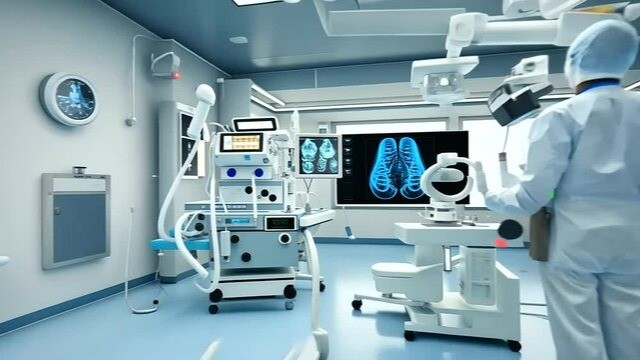
When Repairs Become Necessary
Even with proper maintenance, equipment may eventually require repairs due to long-term use or component wear.
Professional repair services ensure that malfunctioning equipment is carefully restored.
Common repair services include:
-
Replacing damaged components
-
Fixing electrical faults
-
Restoring display systems
-
Repairing sensors and measurement units
-
Recalibrating devices after repair
The goal is always to restore equipment to safe and reliable working condition.
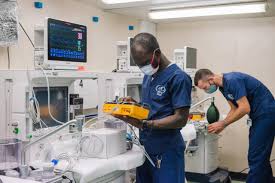
The Reality of Aging Medical Equipment
While repairs can extend the life of equipment, there is an important reality that healthcare facilities must consider.
Medical technology evolves rapidly.
Devices that were once considered cutting-edge may eventually become less efficient compared to modern innovations.
Even if older equipment continues to function after repairs, newer models often provide:
-
Faster performance
-
Improved accuracy
-
Advanced safety features
-
Better patient monitoring capabilities
Healthcare providers must balance maintaining existing equipment with planning for future upgrades.
Ensure your hospital equipment stays accurate and reliable. Book a professional maintenance service today.
Have a faulty or aging device? Consult our professional biomedical engineer for expert diagnosis and repair.
call the Customer Care Line Now +2348108871435
