- Your cart is empty
- Continue Shopping
Product
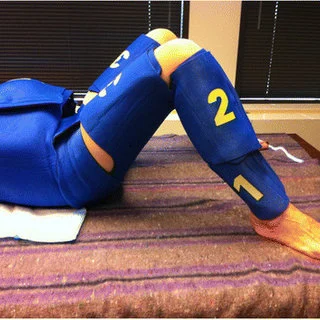
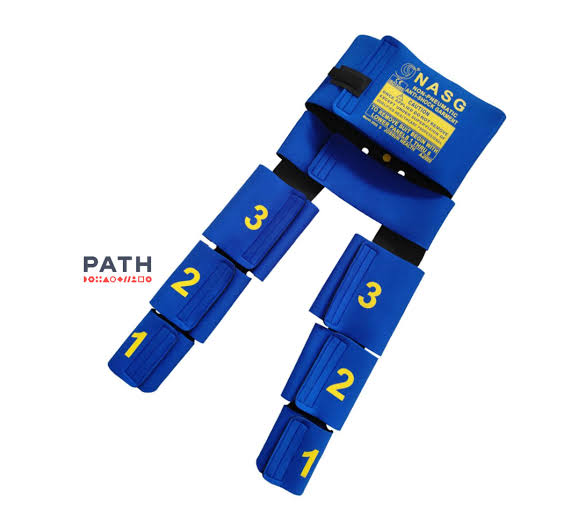
Non-Pneumatic Anti-Shock Garment NASG | Obstetric Emergency
₦250,000.00
Non-Pneumatic Anti-Shock Garment (NASG) is a lightweight, non-pneumatic compression garment designed as a temporary first-aid and stabilization device for hypovolemic shock associated with severe obstetric bleeding. It applies circumferential pressure to the lower body and abdomen to support circulation while definitive medical treatment and appropriate referral or transport are arranged.
Add to cart
Buy Now
Product Description
Non-Pneumatic Anti-Shock Garment (NASG) is a low-technology medical compression device designed for use by trained healthcare providers in emergency maternal-care settings.
The garment consists of compression sections that wrap around the legs, pelvis, and abdomen. When properly applied, the garment provides external pressure to the lower body, helping reduce blood pooling in the lower extremities and support circulation to vital organs.
NASG is intended as a temporizing intervention—it does not replace definitive treatment for severe bleeding or shock. It can help provide valuable time while the patient receives emergency medical care, blood products where indicated, surgical intervention, or transfer to a facility capable of providing definitive treatment.
The garment is particularly relevant in low-resource and emergency settings, where delays in transportation or access to definitive obstetric care may occur.
How the NASG Works
1. Circumferential Compression
The garment wraps around the lower limbs, pelvis, and abdomen. Its compression sections apply external pressure when secured correctly.
2. Supports Central Circulation
Compression of the lower body can help reduce blood pooling in the legs and pelvis and redistribute circulating blood toward the body’s central circulation.
3. Helps Reduce Blood Loss
By applying pressure to the lower body and abdomen, the NASG can help reduce blood flow to the pelvic region and may assist in controlling blood loss associated with severe obstetric haemorrhage while definitive treatment is arranged.
4. Provides Temporary Stabilization
The NASG is designed to help stabilize a patient during emergency management and transport. It should be used as part of a broader emergency-care protocol rather than as a standalone treatment.
Purpose and Applications
The Non-Pneumatic Anti-Shock Garment may be used in emergency maternal-care situations involving:
- Severe postpartum haemorrhage
- Obstetric haemorrhage
- Hypovolemic shock caused by severe blood loss
- Emergency stabilization before transfer
- Delayed access to definitive obstetric care
- Emergency maternal transport
- Low-resource healthcare settings
- Rural and remote healthcare facilities
- Emergency obstetric care
Key Features
- Non-Pneumatic Design: Does not require an air pump or compressed-air system.
- Lightweight Construction: Designed for convenient handling and rapid deployment.
- Low-Technology Device: Suitable for emergency settings where advanced equipment may not be readily available.
- Compression Sections: Provides circumferential compression around the lower body.
- Adjustable Fastening: Uses securing sections to achieve appropriate compression.
- Emergency Stabilization: Designed to support temporary stabilization during severe blood loss and shock.
- Access Openings: Allows healthcare providers to access relevant areas for examination and certain procedures without completely removing the garment.
- Reusable Design: Specific cleaning, reuse, and service requirements should be followed according to the manufacturer’s instructions.
- Portable: Can be transported and stored for emergency use.
Key Benefits
Helps Buy Time During Emergencies
In severe obstetric bleeding, delays in transportation or definitive treatment can be critical. The NASG is designed to provide temporary stabilization while emergency medical care is arranged.
Supports Emergency Maternal Care
The garment can form part of an emergency response protocol for severe obstetric haemorrhage and hypovolemic shock.
Useful in Low-Resource Settings
Because it does not require pneumatic equipment, the NASG can be particularly useful in healthcare environments where access to advanced emergency equipment is limited.
Allows Continued Clinical Access
The design incorporates openings that can allow healthcare professionals to perform certain examinations and procedures without completely removing the garment.
Portable and Practical
Its lightweight construction makes it easier for trained healthcare teams to store, transport, apply, and use during emergency situations.
Who Should Use the NASG?
The NASG is intended for trained healthcare professionals and emergency maternal-care teams, including:
- Obstetricians
- Midwives
- Nurses
- Emergency healthcare professionals
- Maternal-health teams
- Ambulance and emergency transport teams
- Healthcare workers in rural facilities
- Healthcare workers in low-resource settings
It should not be treated as a general-purpose compression garment for untrained consumer use.
How to Use
The NASG should be applied according to the manufacturer’s instructions and the relevant clinical protocol.
General principles include:
- Assess the patient and immediately initiate appropriate emergency management for severe bleeding and shock.
- Place the patient appropriately and prepare the NASG for application.
- Apply the compression sections according to the manufacturer’s recommended sequence.
- Secure each section correctly to provide appropriate circumferential pressure.
- Continue monitoring the patient’s vital signs and clinical condition.
- Provide definitive treatment for the cause of bleeding as soon as possible.
- Arrange urgent referral or transport where definitive care is not available.
- Continue to follow the relevant clinical protocol for removal and ongoing patient management.
The NASG is a temporizing device and must not delay definitive treatment of haemorrhage or shock.
Specifications
| Specification | Details |
|---|---|
| Product Name | Non-Pneumatic Anti-Shock Garment (NASG) |
| Product Type | Non-Pneumatic Compression / Anti-Shock Garment |
| Primary Application | Emergency maternal care |
| Intended Use | Temporary stabilization during severe obstetric bleeding and hypovolemic shock |
| Operation | External circumferential compression |
| Pneumatic System | None |
| Design | Lower-body and abdominal compression sections |
| Fastening | Adjustable securing sections |
| Access | Designed with openings for relevant clinical access |
| Portability | Lightweight and portable |
| Users | Trained healthcare professionals |
| Setting | Hospitals, clinics, emergency transport and low-resource healthcare settings |
| Reusability | Follow manufacturer cleaning and reuse instructions |
Important Clinical Information
The Non-Pneumatic Anti-Shock Garment is not a replacement for definitive treatment of severe haemorrhage or hypovolemic shock.
Patients experiencing severe bleeding require urgent medical assessment and emergency treatment. The NASG should be used as part of an established emergency maternal-care protocol by appropriately trained healthcare personnel.
Clinical teams should follow the manufacturer’s instructions, applicable local protocols, and current professional guidance concerning application, monitoring, cleaning, reuse, and removal.
Frequently Asked Questions
What is a Non-Pneumatic Anti-Shock Garment?
A NASG is a non-pneumatic compression garment designed to provide temporary stabilization for patients experiencing hypovolemic shock associated with severe obstetric bleeding.
Does the NASG require electricity or compressed air?
No. The NASG is a non-pneumatic device and does not require an air pump or compressed-air system.
What is the NASG used for?
It is primarily used as a temporizing intervention in severe obstetric haemorrhage and hypovolemic shock, helping stabilize the patient while definitive treatment or transfer is arranged.
Can the NASG stop postpartum haemorrhage?
The NASG may help reduce blood loss and support stabilization, but it does not treat the underlying cause of postpartum haemorrhage. Definitive medical or surgical treatment remains necessary.
How long can a patient wear the NASG?
Duration of use should follow the manufacturer’s instructions and the applicable clinical protocol. It should not be removed simply because the patient appears improved without appropriate clinical assessment.
Who should apply the NASG?
The garment should be applied by appropriately trained healthcare professionals familiar with emergency maternal-care procedures and the manufacturer’s application instructions.
Can healthcare providers examine the patient while the NASG is being worn?
The garment is designed with openings that can permit certain examinations and procedures without completely removing it, depending on the clinical situation and garment design.
Is the NASG suitable for home use?
No. It is an emergency medical device intended for use by trained healthcare personnel in appropriate clinical and emergency-care settings.
You may also like…