- Your cart is empty
- Continue Shopping
Product
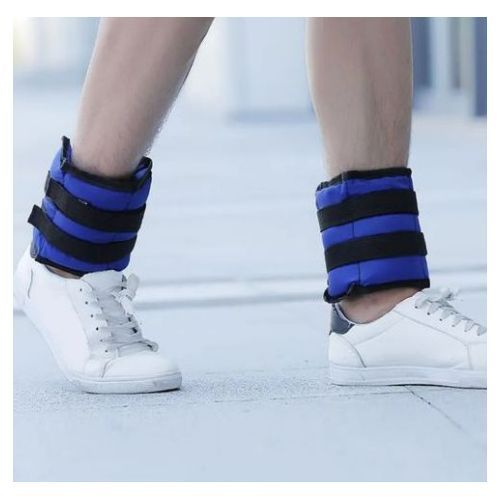
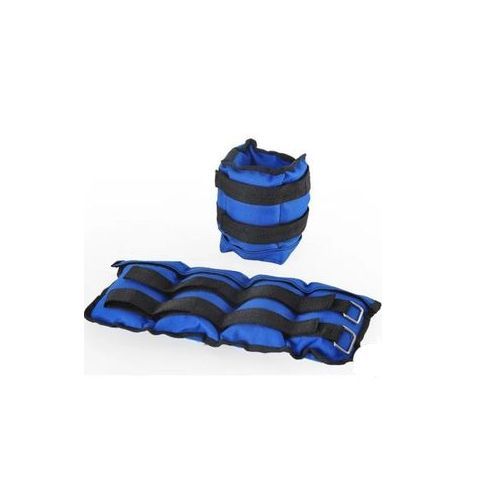
Physiotherapy SandBag 3KG A Pair | Resistance Exercise Weight
₦25,000.00
Physiotherapy SandBag 3KG A Pair is a versatile resistance training and rehabilitation accessory designed for physiotherapy exercises, strength training, mobility exercises, and functional workouts. The shifting sand provides adjustable-feeling resistance and requires stabilization during movement. Each pair provides 3KG sandbag weights suitable for exercises involving the legs, ankles, wrists, hands, and functional movement training.
Add to cart
Buy Now
3KG Physiotherapy SandBag A Pair is designed to add resistance to rehabilitation exercises, fitness routines, and functional strength training.
Unlike rigid weights, sand-filled exercise bags can shift during movement, requiring the user to control and stabilize the weight. This makes them useful for exercises where controlled movement, balance, coordination, and muscular endurance are important.
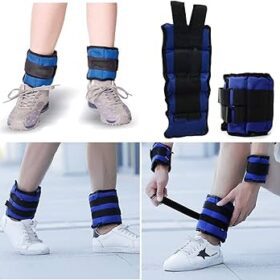
The sandbags can be used around the ankles, wrists, hands, or other appropriate areas, depending on the exercise and design of the specific sandbag. They can also be incorporated into exercises such as leg raises, squats, lunges, resistance movements, and functional training.
Made from Oxford cloth, the sandbags are designed for durability and repeated use. Hook-and-loop fastening helps secure the sandbag during appropriate exercises.
Key Features00
1. 3KG Pair
This product comes as a pair of 3KG physiotherapy sandbags, providing resistance for rehabilitation and exercise routines.
2. Durable Oxford Cloth Construction
The sandbags are made from Oxford cloth, described as wear-resistant, water-resistant, and durable for regular use.
3. Adjustable Resistance Training
The shifting nature of the sand provides a dynamic resistance experience that requires the user to control and stabilize the weight during movement.
4. Secure Hook-and-Loop Fastening
The high-adhesion hook-and-loop closure helps secure the sandbag around the appropriate body area during exercise.
5. Versatile Design
Depending on the exercise and product configuration, the sandbags can be used around the hands, wrists, ankles, or legs.
6. Suitable for Physiotherapy
The sandbags can be incorporated into supervised physiotherapy and rehabilitation exercises designed to improve strength, movement control, and muscular endurance.
7. Functional Training
Sandbags can be used for functional movements that replicate resistance encountered during everyday activities.
8. Portable Exercise Equipment
Their compact design makes them convenient for use in physiotherapy clinics, gyms, rehabilitation facilities, and home exercise environments.
Benefits of Physiotherapy SandBags
- Adds resistance to rehabilitation exercises
- Supports progressive strengthening exercises
- Can be incorporated into lower-body and upper-body workouts
- Helps challenge muscular endurance
- Encourages controlled movement and stabilization
- Useful for functional strength training
- Can be used for ankle, wrist, leg, and hand exercises
- Suitable for physiotherapy and rehabilitation programs
- Compact and easy to store
- Suitable for home and professional exercise environments
Common Uses
The 3KG Physiotherapy SandBag Pair can be used for:
- Physiotherapy exercises
- Rehabilitation exercises
- Strengthening exercises
- Resistance training
- Functional training
- Leg strengthening
- Ankle exercises
- Wrist exercises
- Arm exercises
- Grip and stabilization exercises
- Mobility exercises
- Balance and coordination exercises
- Fitness workouts
- Home exercise programs
- Sports conditioning
Physiotherapy & Rehabilitation Applications
Physiotherapy sandbags can be incorporated into professionally designed exercise programs where additional resistance is appropriate.
They may be used during exercises targeting:
Lower-Body Strength
Sandbags can provide resistance during exercises such as:
- Leg raises
- Squats
- Lunges
- Calf exercises
- Controlled leg movements
- Hip and lower-limb strengthening exercises
Ankle Rehabilitation
When appropriately secured and prescribed, a sandbag can provide additional resistance during controlled ankle and lower-leg exercises.
Upper-Body Exercises
Depending on the design and fastening method, the sandbags can be used for selected wrist, hand, arm, and shoulder exercises.
Functional Training
Sandbags can be incorporated into functional movement exercises that require the user to control a shifting load.
Grip Strength & Stabilization
Because sand can move inside the bag, controlling the weight may require additional stabilization compared with a fixed rigid weight.
When used appropriately, this can make sandbags useful for exercises involving grip, coordination, balance, and movement control.
The level of resistance should always be appropriate for the individual’s ability and exercise program.
Posture and Proprioception Exercises
Sandbags may also be incorporated into selected posture-awareness and proprioception exercises under appropriate supervision.
For example, a lightweight sandbag may be used as a source of gentle resistance or sensory feedback during specific exercises.
Important: Sandbags should not be placed on the head, neck, or other sensitive areas without appropriate professional instruction. They should not be used for neck traction or similar interventions unless the specific product is designed for that purpose and its use has been prescribed or supervised by a qualified healthcare professional.
Who Can Use Physiotherapy SandBags?
The sandbags may be suitable for:
- Physiotherapy patients
- Rehabilitation clients
- Fitness enthusiasts
- Athletes
- Individuals performing home exercise programs
- People working on muscular endurance
- Individuals performing resistance exercises
- Physiotherapy and rehabilitation centres
- Fitness and sports training facilities
The appropriate weight and exercise should be selected according to the user’s strength, mobility, rehabilitation goals, and professional guidance where necessary.
Specifications
| Specification | Details |
|---|---|
| Product Name | Physiotherapy SandBag 3KG A Pair |
| Product Type | Physiotherapy / Resistance Training Sandbag |
| Quantity | Pair |
| Weight | 3KG pair |
| Material | Oxford Cloth |
| Closure | Hook-and-loop fastening |
| Resistance Type | Sand-filled / shifting resistance |
| Usage | Physiotherapy, rehabilitation, fitness and resistance training |
| Suitable Areas | Hands, wrists, ankles and legs, depending on exercise |
| Design | Portable and wearable |
| Water Resistance | Water-resistant material |
| Durability | Wear-resistant construction |
| Recommended Users | Adults / users appropriate for the selected exercise |
| Colour | May vary |
| Dimensions | Confirm specific product |
| Filling Material | Sand |
| Maximum Load | 3KG as specified |
Note: Exact dimensions, individual bag weight distribution, filling quantity, colour, and fastening dimensions should be confirmed against the specific product supplied.
How to Use
- Check the sandbag and fastening mechanism before use.
- Select an exercise appropriate for your strength and fitness level.
- Secure the sandbag firmly around the appropriate body area.
- Ensure the hook-and-loop fastening is properly closed.
- Perform the exercise using controlled movements.
- Avoid excessive swinging or uncontrolled movement.
- Stop if you experience unusual pain, dizziness, or discomfort.
- Gradually increase exercise intensity as appropriate.
- Remove the sandbag after completing the exercise.
- Store the sandbag in a dry and suitable location.
For rehabilitation exercises, follow the exercise program provided by your physiotherapist or healthcare professional.
Safety Information
- Start with appropriate resistance and gradually progress as tolerated.
- Maintain proper exercise technique and controlled movement.
- Do not use a damaged sandbag or fastening strap.
- Ensure the hook-and-loop closure is securely fastened before movement.
- Do not use more resistance than recommended for the exercise.
- Do not use the sandbag for neck traction or cervical exercises unless specifically designed and professionally supervised for that purpose.
- Do not place the sandbag on the head or neck without professional guidance.
- Individuals recovering from surgery or injury should seek appropriate professional advice before beginning resistance exercises.
- Keep the sandbag away from children unless being used under appropriate adult supervision.
Why Choose the Physiotherapy SandBag 3KG A Pair?
The Physiotherapy SandBag 3KG A Pair provides a practical way to introduce resistance into physiotherapy, rehabilitation, fitness, and functional exercise programs.
Its Oxford cloth construction, hook-and-loop fastening, portable design, and versatile application make it suitable for different resistance exercises involving the upper and lower limbs.
Whether used in a physiotherapy clinic, rehabilitation centre, gym, sports facility, or home, these sandbags can be incorporated into controlled strengthening and mobility exercises.
Frequently Asked Questions
1. What is a 3KG physiotherapy sandbag?
A 3KG physiotherapy sandbag is a resistance exercise accessory filled with sand and designed to add weight to selected rehabilitation, strengthening, and fitness exercises.
2. Does this product come as a pair?
Yes. The product is supplied as a pair of 3KG sandbag weights, according to the supplied product specification.
3. What can physiotherapy sandbags be used for?
They can be used for resistance training, strengthening exercises, rehabilitation, functional training, mobility exercises, and selected ankle, wrist, leg, and arm exercises.
4. Can the sandbags be used as ankle weights?
They can be used for appropriate ankle and lower-leg exercises when the fastening system is suitable and the exercise is performed correctly.
5. Can they be used for wrist exercises?
Yes, where the sandbag configuration allows secure fastening around the wrist and the exercise is appropriate.
6. Are these sandbags suitable for physiotherapy?
Yes. They can be incorporated into physiotherapy and rehabilitation exercise programs where resistance training is appropriate.
7. Are the sandbags adjustable?
The resistance is based on the sand-filled weight. For progression, users should follow the appropriate exercise and resistance recommendations rather than modifying the filling unless the product is specifically designed to be adjustable.
8. What material are the sandbags made from?
The supplied product information specifies Oxford cloth, described as wear-resistant and water-resistant.
9. Can beginners use these sandbags?
Beginners can use resistance equipment when the weight and exercise are appropriate for their ability. Start with controlled movements and professional guidance where necessary.
10. Can these be used at home?
Yes. Their compact and portable design makes them suitable for appropriate home exercise and rehabilitation programs.
You may also like…


Related products