
- Your cart is empty
- Continue Shopping
Diff. Types of Wheelchairs and Their Benefits:A Complete Guide
- Uncategorized
- Posted on
-
 by
Reginald Osita
by
Reginald Osita - 0 comments

Different Types of Wheelchairs and Their Benefits: A Complete Guide
Introduction
A wheelchair is more than just a mobility aid—it is a life-enhancing device that restores independence, dignity, and access to everyday activities for individuals with limited mobility. Whether due to injury, illness, disability, or aging, millions of people rely on wheelchairs to navigate their environment safely and efficiently.
Modern wheelchairs have evolved significantly from basic manual chairs to highly advanced, technology-driven mobility systems. Today, there is a wide variety of wheelchair types designed to meet different physical conditions, lifestyles, and environmental needs. No single wheelchair fits all users; the correct choice depends on mobility level, physical strength, daily activities, and long-term health considerations.
This article explores the major types of wheelchairs, their features, and the unique benefits they offer.
1. Manual Wheelchairs
Overview
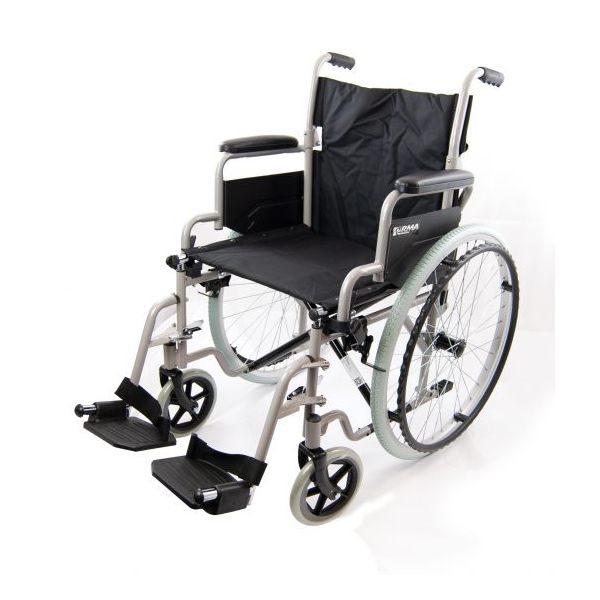
Manual wheelchairs are the most common type. They are propelled either by the user using their arms or by a caregiver pushing from behind.
Types of Manual Wheelchairs
- Standard manual wheelchair
- Lightweight wheelchair
- Folding wheelchair
- Rigid frame wheelchair
- Transport wheelchair
Key Features
- Two large rear wheels and smaller front casters
- Push rims for self-propulsion
- Foldable or rigid frame
- Optional accessories like armrests and footrests
Benefits
1. Cost-Effective
Manual wheelchairs are generally more affordable compared to powered models, making them accessible to a larger population.
2. Lightweight and Portable
Many models are foldable and easy to transport in vehicles or store in small spaces.
3. Improves Physical Strength
Regular use helps strengthen upper body muscles and improves blood circulation.
4. Low Maintenance
They do not require batteries or electrical components, reducing maintenance costs.
5. Easy Maneuverability
Ideal for indoor use and tight spaces due to their compact design.
Limitations
- Requires upper body strength
- Not ideal for long distances or rough terrain
- Can cause fatigue over time
2. Electric (Power) Wheelchairs
Overview
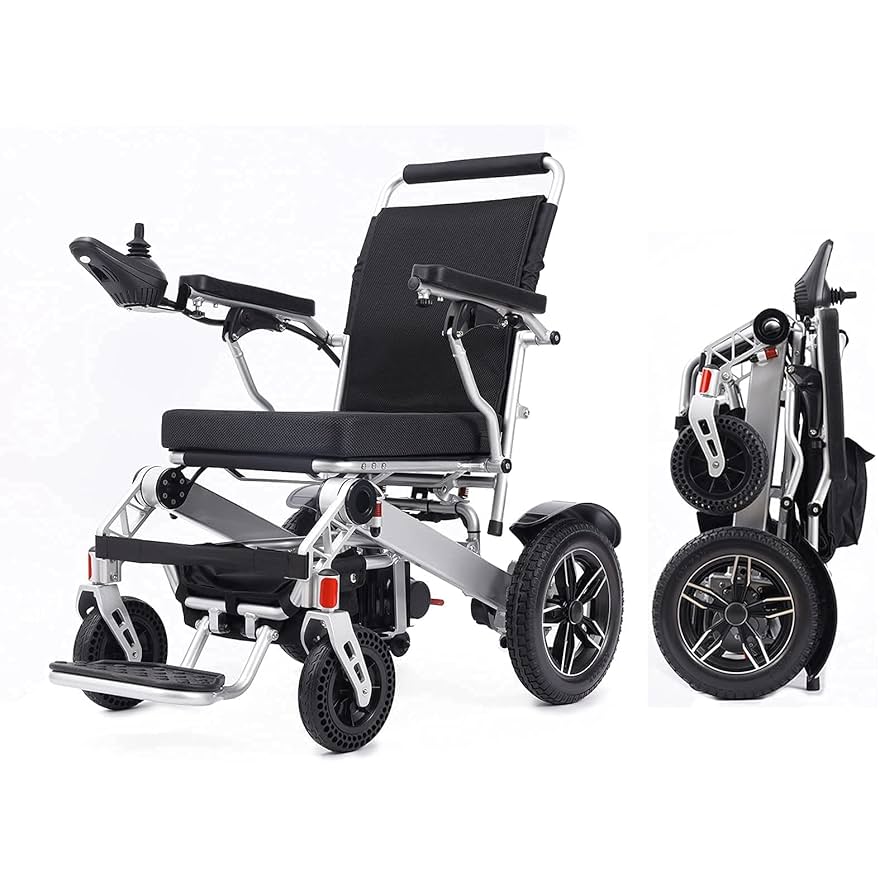
Electric wheelchairs are motorized and powered by rechargeable batteries. They are controlled using a joystick or control panel.
Key Features
- Battery-powered motors
- Joystick navigation
- Adjustable seating systems
- Advanced suspension systems
Benefits
1. Maximum Independence
Users can move without physical effort, ideal for those with limited strength.
2. Long-Distance Mobility
Perfect for outdoor use and covering long distances comfortably.
3. Enhanced Comfort
Many models include padded seats, reclining options, and ergonomic support.
4. Advanced Technology
Some models can:
- Climb slopes
- Adjust height
- Navigate rough terrain
5. Reduced Caregiver Burden
Less physical effort required from caregivers.
Limitations
- Higher cost
- Requires charging
- Heavier and less portable
3. Transport Wheelchairs
Overview
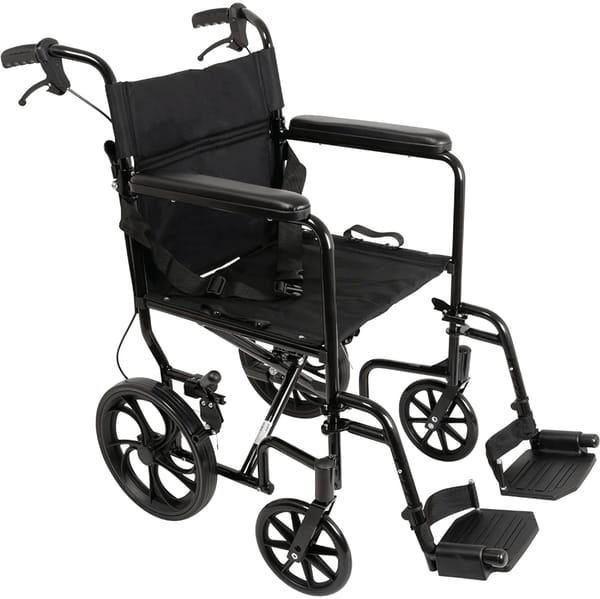
Transport wheelchairs are lightweight chairs designed to be pushed by a caregiver. They have smaller rear wheels and cannot be self-propelled.
Benefits
1. Extremely Lightweight
Easy to carry and ideal for travel.
2. Compact Design
Fits easily into cars, making it suitable for hospital visits or outings.
3. Affordable
Usually cheaper than standard manual wheelchairs.
4. Ideal for Temporary Use
Best for patients recovering from surgery or short-term mobility issues.
Limitations
- Requires assistance at all times
- Not suitable for independent users
4. Sports Wheelchairs
Overview
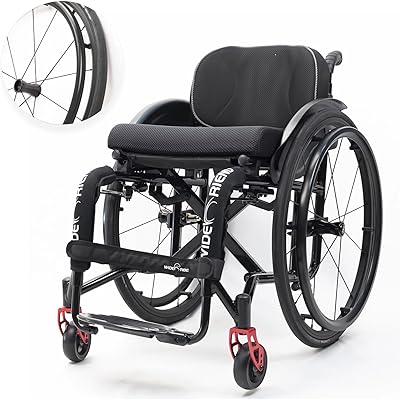
Sports wheelchairs are specially designed for athletic activities such as basketball, tennis, and racing.
Key Features
- Lightweight materials (aluminum, titanium)
- Angled wheels for stability
- Enhanced speed and maneuverability
- Anti-tip mechanisms
Benefits
1. High Performance
Designed for speed, agility, and precision.
2. Improved Physical Fitness
Encourages an active lifestyle and overall physical health.
3. Social Inclusion
Promotes participation in sports and community activities.
4. Custom Fit
Tailored to specific sports and individual needs.
Limitations
- Expensive
- Not suitable for everyday use
5. Pediatric Wheelchairs
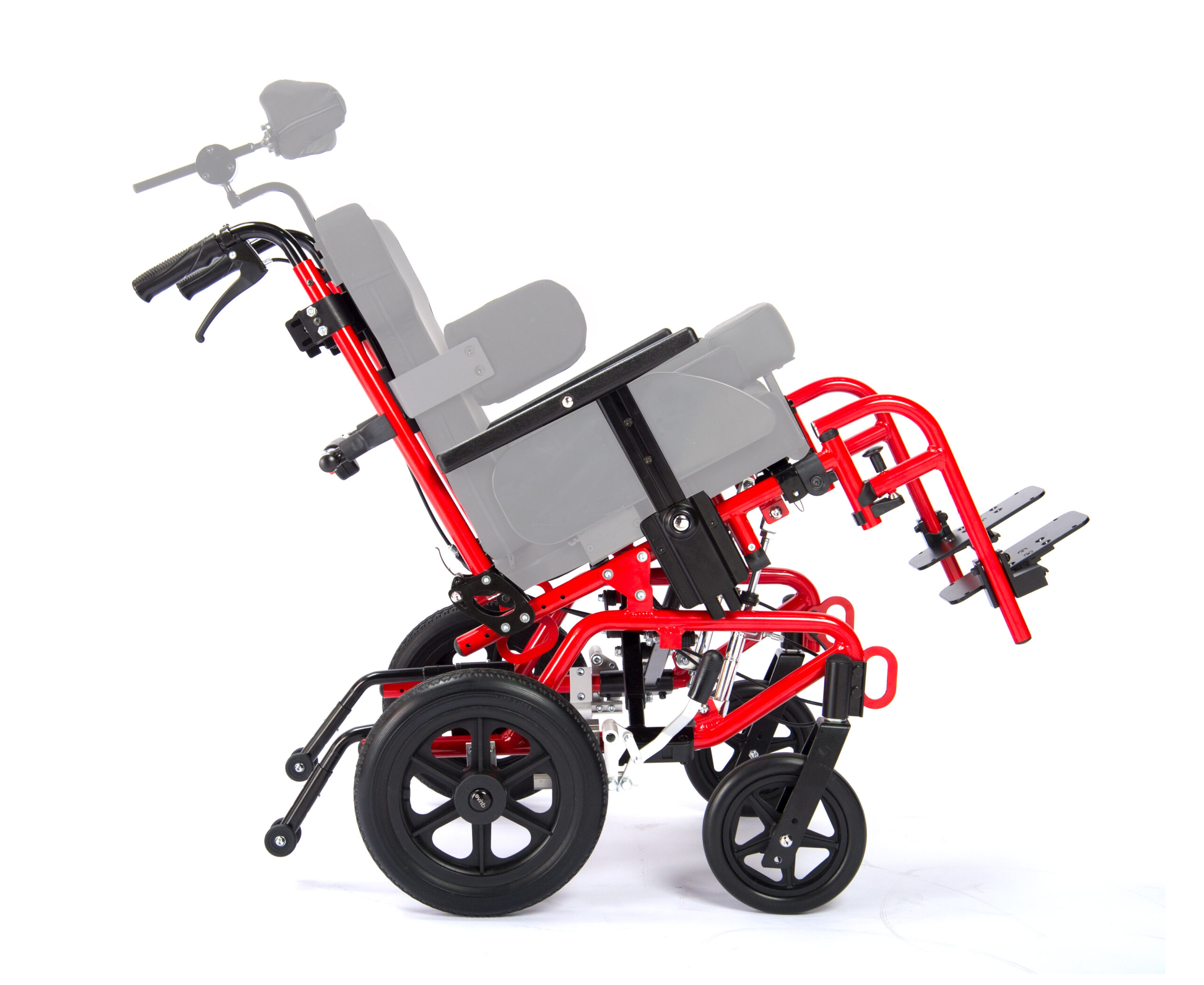
Overview
Pediatric wheelchairs are designed specifically for children with mobility challenges.
Key Features
- Adjustable frames for growth
- Colorful, child-friendly designs
- Safety belts and supports
Benefits
1. Supports Development
Helps children explore their environment and develop independence.
2. Improves Social Interaction
Allows participation in school and play activities.
3. Customizable
Adjustable features accommodate growth and changing needs.
4. Enhanced Comfort and Safety
Includes headrests, cushions, and positioning aids.
Limitations
- Requires frequent adjustments as the child grows
6. Standing Wheelchairs
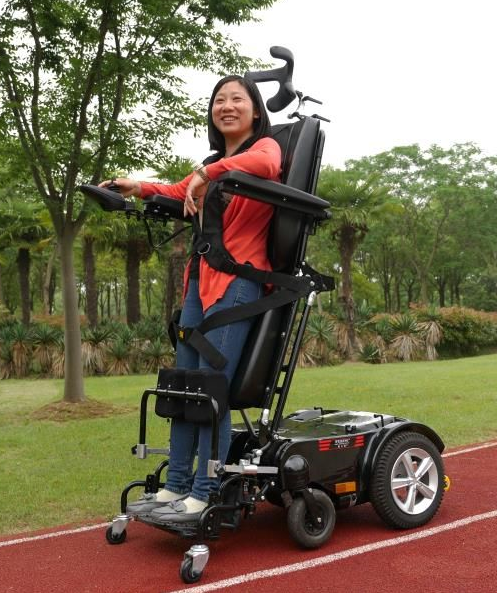
Overview
These wheelchairs allow users to transition from a seated to a standing position.
Benefits
1. Improves Circulation
Standing helps reduce pressure sores and improves blood flow.
2. Enhances Bone Health
Reduces risk of osteoporosis.
3. Better Social Interaction
Users can interact at eye level.
4. Improves Digestion and Organ Function
Limitations
- Expensive
- Requires training to use
7. Reclining and Tilt-in-Space Wheelchairs
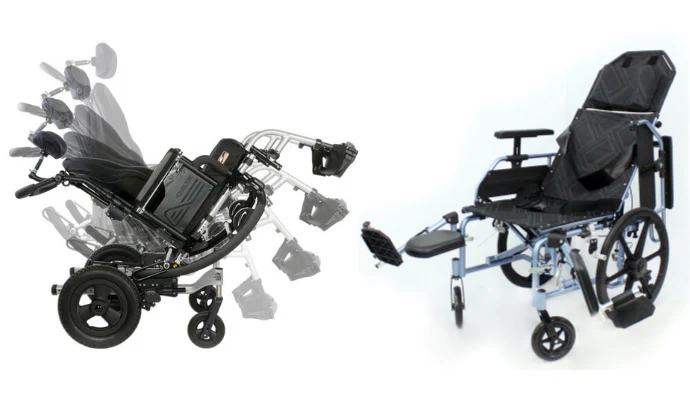
Overview
These wheelchairs allow the user to recline or tilt for better comfort and pressure relief.
Benefits
1. Pressure Relief
Reduces risk of pressure ulcers.
2. Improved Posture
Supports spinal alignment.
3. Comfort for Long-Term Use
Ideal for patients who sit for extended periods.
4. Medical Benefits
Helpful for users with severe disabilities or respiratory conditions.
8. Bariatric Wheelchairs
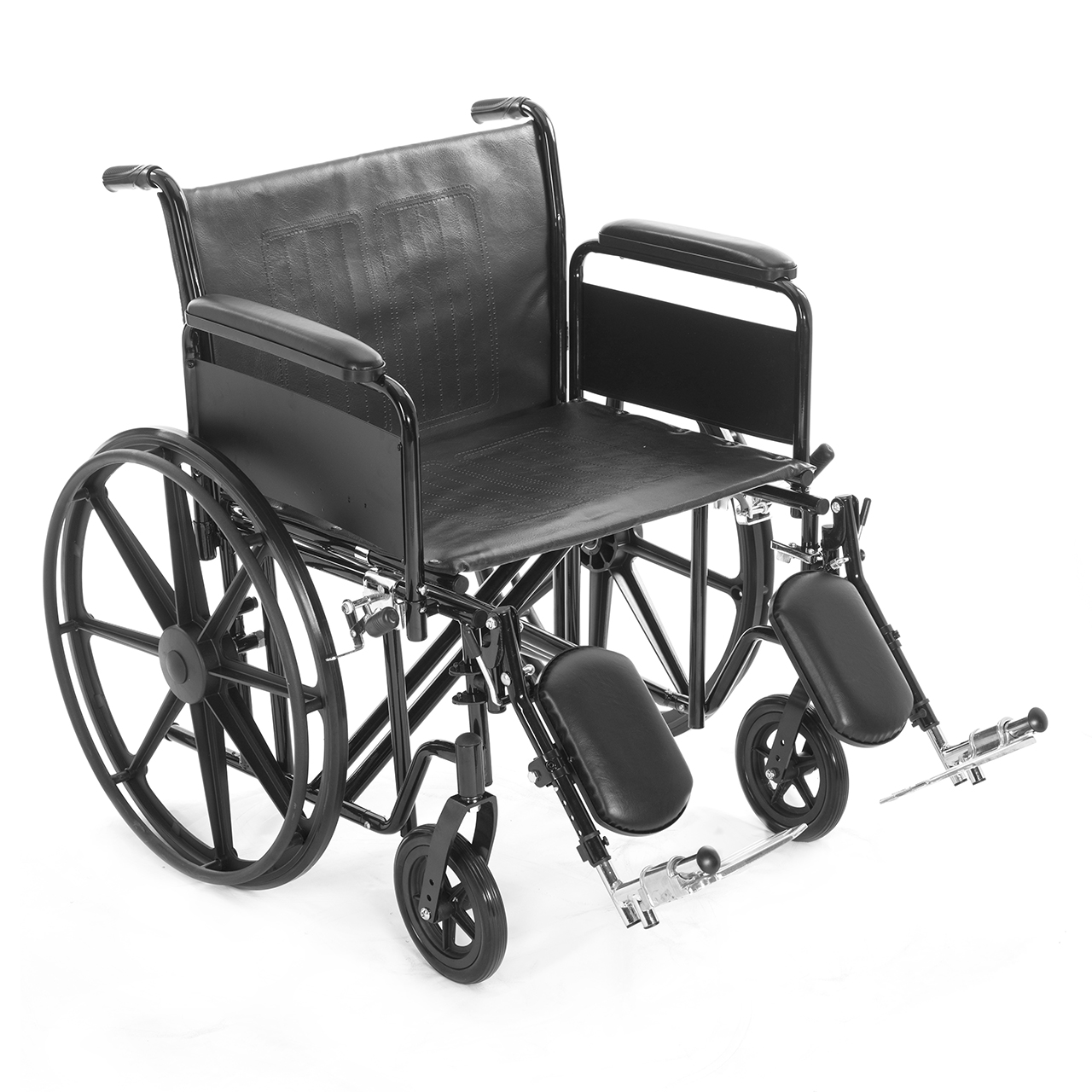
Overview
Designed for heavier individuals, these wheelchairs have reinforced frames and wider seats.
Benefits
1. High Weight Capacity
Supports larger body sizes safely.
2. Enhanced Durability
Built with stronger materials.
3. Comfort
Wider seats and reinforced cushions improve user comfort.
9. All-Terrain Wheelchairs
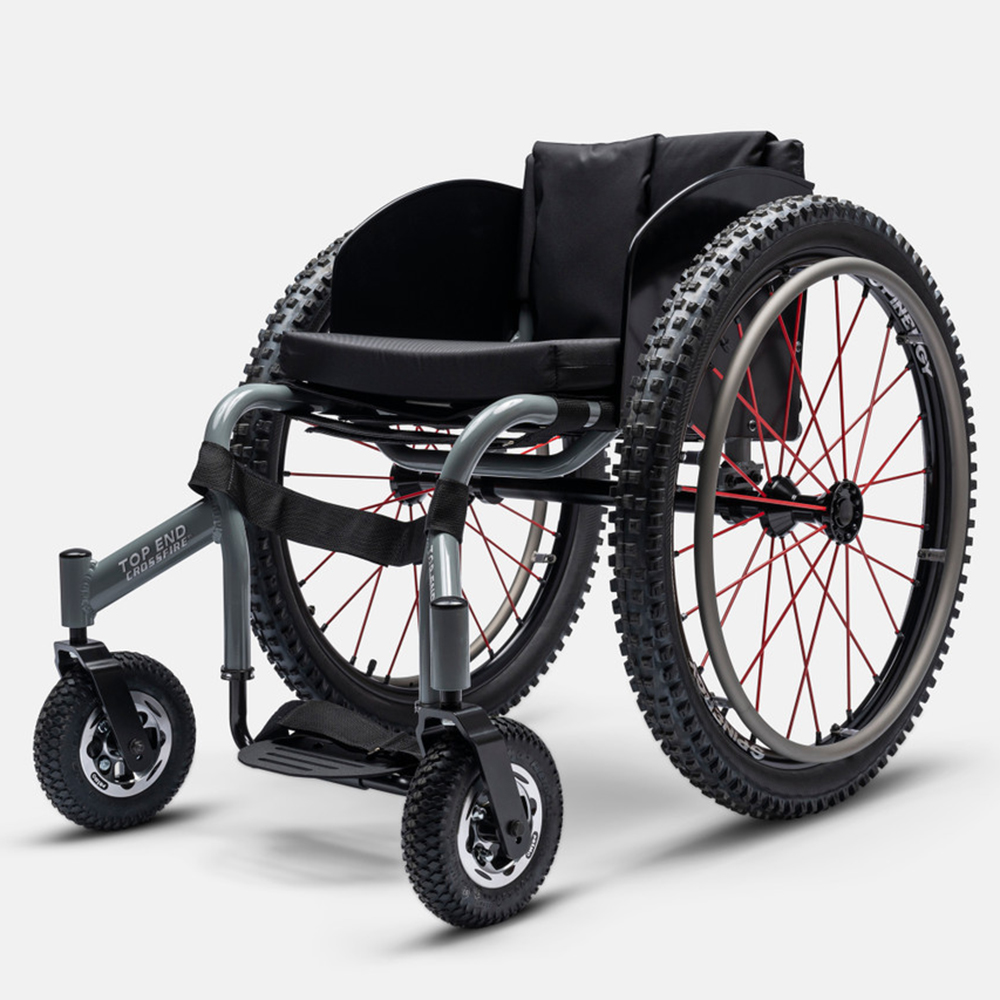
Overview
Built for outdoor use, these wheelchairs can handle rough terrains like sand, grass, and gravel.
Benefits
1. Outdoor Accessibility
Enables users to explore nature and uneven surfaces.
2. Stability
Large wheels and suspension systems provide balance.
3. Independence
Reduces limitations caused by terrain.
10. Lightweight and Ultra-Lightweight Wheelchairs
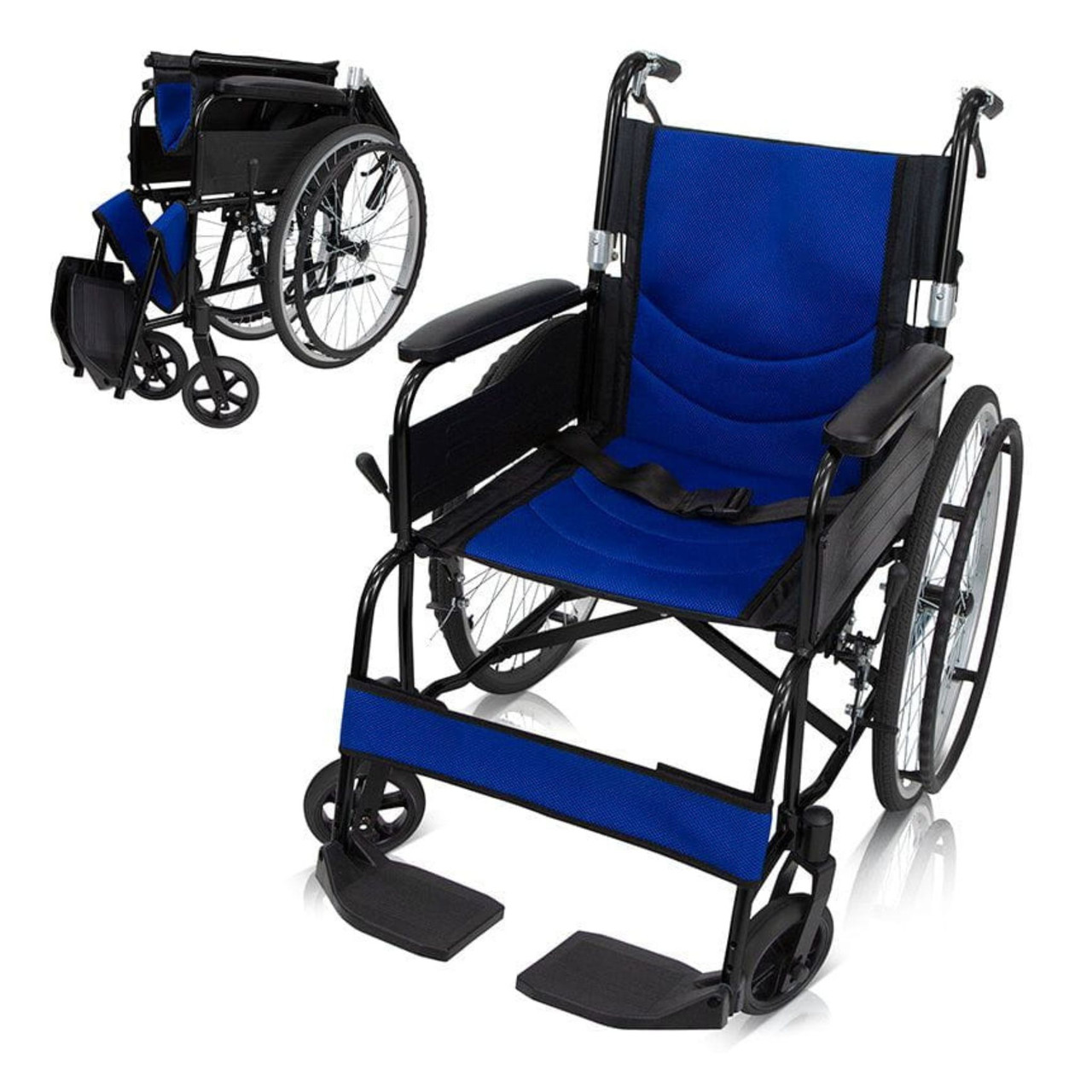
Overview
Made from aluminum or carbon fiber, these wheelchairs are easier to maneuver.
Benefits
1. Easy Propulsion
Requires less effort to move.
2. Portability
Ideal for travel and transport.
3. Reduced Fatigue
Less strain on arms and shoulders.
11. Smart and Robotic Wheelchairs

Overview
These are advanced wheelchairs equipped with intelligent systems and sensors for navigation and assistance.
Benefits
1. Autonomous Navigation
Can avoid obstacles and navigate independently.
2. Health Monitoring
Some models track vital signs and physical exertion.
3. Reduced Fatigue
Adaptive assistance reduces physical strain.
Key Benefits of Wheelchairs (General)
Regardless of type, wheelchairs offer several universal advantages:
1. Mobility and Independence
Wheelchairs allow users to move freely and perform daily activities without assistance.
2. Improved Quality of Life
Users can participate in social, educational, and professional activities.
3. Safety
Reduces the risk of falls and injuries.
4. Mental Health Benefits
Increased independence leads to better confidence and reduced isolation.
5. Accessibility
Allows access to buildings, transportation, and public spaces.
Factors to Consider When Choosing a Wheelchair
1. Physical Ability
- Strong upper body → manual wheelchair
- Limited strength → electric wheelchair
2. Environment
- Indoor use → compact or folding wheelchair
- Outdoor use → electric or all-terrain wheelchair
3. Budget
Manual wheelchairs are more affordable; electric models are more expensive.
4. Comfort Needs
Consider:
- Cushioning
- Back support
- Adjustability
5. Duration of Use
- Temporary → transport or manual wheelchair
- Long-term → powered or customized wheelchair
Conclusion
Wheelchairs are essential mobility solutions that dramatically improve the lives of individuals with limited movement. From simple manual designs to sophisticated powered and smart wheelchairs, each type serves a unique purpose tailored to specific needs.
Choosing the right wheelchair is not just about mobility—it is about independence, comfort, and quality of life. Understanding the different types and their benefits helps individuals, caregivers, and healthcare providers make informed decisions that enhance overall well-being.
As technology continues to evolve, the future of wheelchairs promises even greater innovation, accessibility, and empowerment for users worldwide. Click Here to purchase wheelchair
OTHER ARTICLES YOU MAYBE INTERESTED IN
Essential Equipment for a Diagnostic Center – Nigeria
Cost of Setting Up a Diagnostic Center in Nigeria
Why Choose Sinocare Safe AQ Max I Machine & Test Strips?
